


Rivers Disappear, Farms Fail as El Niño Drought Grips Papua New Guinea
Papua New Guinea is experiencing a severe drought linked to El Niño, leaving millions struggling with food shortages, water scarcity and disruptions to essential services.
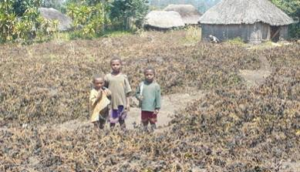
An estimated eight million people have been affected, with rural communities facing worsening conditions as rivers dry up and agricultural production declines.
A coalition comprising churches, trade unions and business organisations has described the situation as a national crisis, warning that vulnerable populations lack adequate protection.
Residents say rivers and streams that once supplied their daily water needs have disappeared, while family gardens, a major food source, are withering.
The worsening conditions have forced several schools and healthcare facilities to reduce operating hours because of insufficient water supplies.
Emilly Meren, humanitarian projects manager at CARE International in Papua New Guinea, said some rural families were surviving on just one meal daily.
She also warned that declining food supplies were creating tensions between households struggling to meet their basic needs.
Women and girls face additional difficulties as they shoulder greater responsibilities for finding food and water while often eating last.
Meren said some women travel three to four hours to obtain essential supplies, exposing themselves to harassment and exploitation.
She also reported cases of transactional sex, with vulnerable women exchanging sexual services for money or food.
The country’s National Weather Service declared the onset of El Niño in June, although drought conditions had already affected large parts of the country.
Kasis Inape, assistant director of the weather service, said approximately eight million people had experienced the effects.
He explained that Papua New Guinea normally receives abundant rainfall because of its tropical climate and surrounding warm ocean waters.
However, El Niño has shifted warm Pacific waters eastward, disrupting rainfall patterns and leaving several communities without sufficient precipitation.
Some parts of the country have recorded less than a quarter of their usual rainfall since August.
Inape said the situation was particularly serious because many residents depend on rain-fed agriculture to produce food and sustain their livelihoods.
He also expressed concern that the approaching rainy season might provide insufficient relief if El Niño shortens its duration.
Papua New Guinea’s wet season normally runs from November to April, but forecasts suggest the period could be shorter than usual.
In Morobe province’s Bulolo district, smaller rivers have dried up, leaving families struggling to obtain water for drinking, cooking and washing.
Resident Theophil Zarack said several schools and healthcare centres were operating for only half the day.
Some clinics have also stopped admitting patients because of inadequate water supplies for essential medical services.
Another resident, Martha Zureno of Leklu village, said her family now spends hours searching for water after nearby rivers dried up.
She explained that her children walk considerable distances every afternoon to obtain water for cooking and drinking.
Although the family dug a well, she said its water was suitable only for washing, while their agricultural crops had completely withered.
Zureno added that residents who depend on small-scale gold mining were also struggling because the shortage of water had disrupted their activities.
Food insecurity has worsened following a destructive hailstorm in parts of Enga province earlier this month.
George Iki, president of the Sambe Unity Development Association, said the storm buried sweet potatoes beneath ice, damaging another important food source.
The hailstorm was not directly attributed to El Niño, but its effects have compounded existing agricultural losses.
The drought is also threatening electricity supplies in the country’s capital, Port Moresby.
PNG Power has introduced scheduled blackouts after falling dam levels reduced electricity generation from hydropower facilities.
The company warned that electricity disruptions could continue for up to 10 months as authorities manage available water resources.
Peter Aitsi, co-chair of the Community Coalition Against Corruption, called for comprehensive assessments of the drought’s impact, particularly in rural communities.
He warned that although urban centres had been relatively protected, declining agricultural production could eventually affect food supplies in major cities.
Aitsi also reported that smoke from fires across parts of Papua New Guinea and neighbouring Indonesia had covered sections of Port Moresby.
Scientists have linked the worsening fire conditions to dry weather associated with El Niño.
Meanwhile, Prime Minister James Marape has directed provincial and district authorities to prepare for an extended dry season.
He said his administration was examining financial arrangements to help local authorities respond to disasters and support affected communities.
Marape disclosed that the Cabinet was considering adjustments to financial provisions to ensure districts and provinces receive appropriate assistance during emergencies.
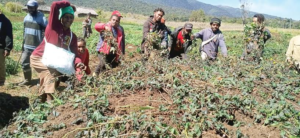
With millions already facing food shortages, disappearing water sources and disrupted public services, the prolonged drought presents an escalating humanitarian challenge for Papua New Guinea.















Leave a comment