


By: Chioma Madonna Ndukwu
Independence Day at 66: What Does Freedom Mean to Nigerians Today?
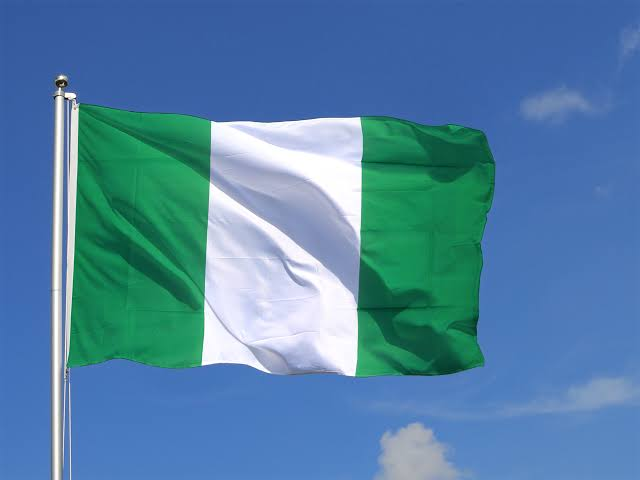
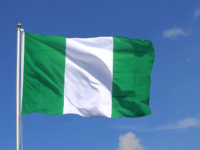
Every October 1, Nigeria dresses in green and white and remembers the morning the Union Jack came down.
But beneath the flags, songs and public holiday lies a question that refuses to grow old: what does freedom mean to the Nigerian trying to survive another difficult year?
Nigeria became independent from British colonial rule on October 1, 1960, with Sir Abubakar Tafawa Balewa as Prime Minister and Dr Nnamdi Azikiwe as Governor-General, before becoming a republic in 1963.
Sixty-six years later, the country has travelled through parliamentary democracy, military rule, civil war, economic crises, political transitions and an uninterrupted democratic era since 1999.
Our founding nationalists did not imagine independence as the simple changing of one flag for another.
They wanted a nation capable of governing itself, educating its people, protecting its citizens and giving its enormous human potential room to breathe, grow and contribute meaningfully to national progress.
In his 1964 Independence Day address, Azikiwe warned that Nigeria stood at a “fork in the crossroad of history,” with one road pointing towards division and another towards a tolerant, united nation. His words still possess the weight of an unopened letter from the past.
Chief Obafemi Awolowo also understood that freedom without human development would remain incomplete.
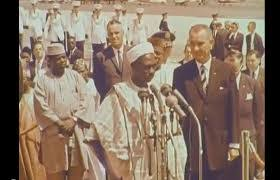
Obafemi Awolowo’s Speech on 1st October, 1960
He argued that education and health were indispensable to economic progress, political stability and social harmony, placing human beings at the centre of national development.
That question remains alive in 2026. Nigeria’s economy has shown signs of recovery, with real GDP growth reaching 4.2 per cent in the first half of the year, according to figures cited by government officials, while economists continue to point towards poverty, unemployment, insecurity and weak productivity as stubborn national burdens.
For the ordinary Nigerian, economic progress must eventually leave the pages of reports and arrive at the market, the filling station, the classroom and the family dining table.
Growth becomes meaningful when wages can stretch further, businesses can survive, young graduates can find work and parents can plan tomorrow without trembling over today’s expenses.
Politically, independence gave Nigerians the right to determine their leadership, question authority and participate in shaping the country’s direction.
Democracy has survived difficult seasons, yet the promise of self-government is weakened whenever public resources disappear through malpractice, institutions bend for private interests or citizens are treated as spectators after elections.
Our leaders must wake up to this reality. Nigeria cannot keep carrying the heavy luggage of corruption, inflated contracts, abandoned projects, favouritism and other malpractices that have slowed development while the rest of the world races ahead with technology, innovation, productivity and knowledge.
Security is another measure of freedom. A citizen who cannot travel, farm, trade, attend school or return home without fear cannot fully savour the meaning of independence, no matter how beautifully the national anthem rises above a stadium.
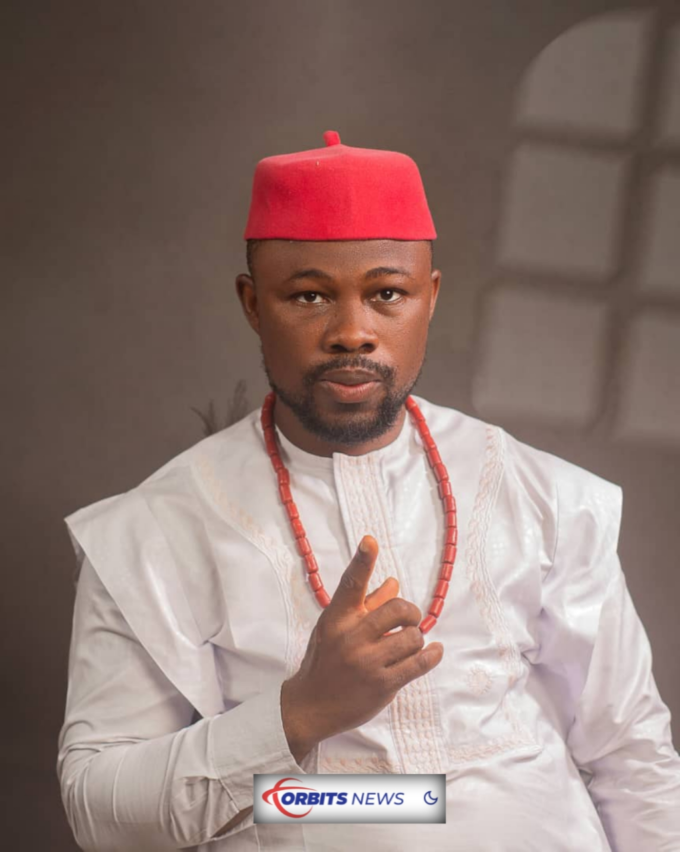
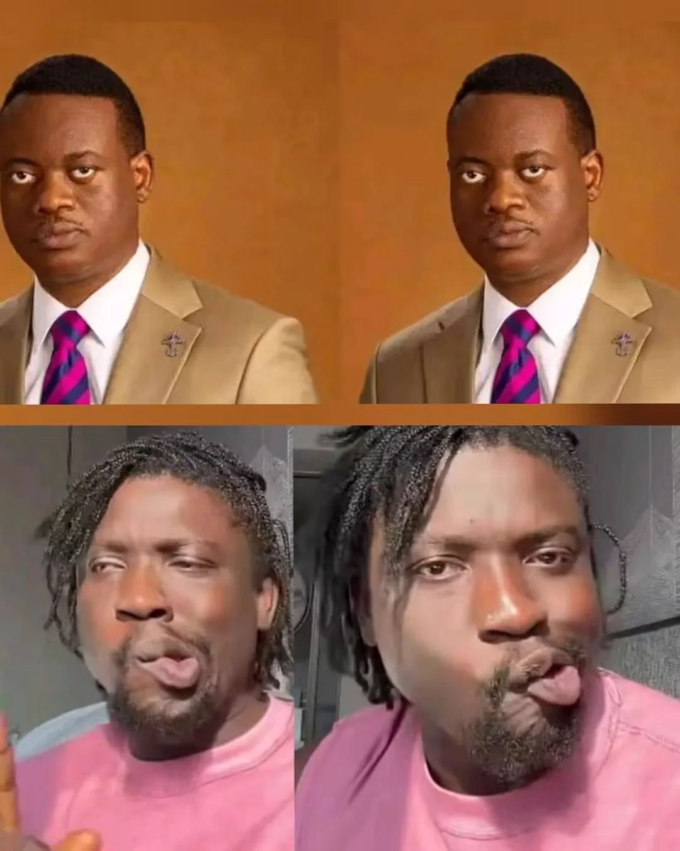
Speaking to Orbits News in Lagos, entertainer Mr Adedeji Simon expressed concern over the state of the nation, particularly insecurity and unemployment.
For him, a country’s independence should mean that its people can live safely and young Nigerians can find meaningful opportunities to work and build their futures.
From Abuja, civil servant Hassan Abdul offered a more hopeful perspective. Despite the shortcomings around him, he said he sees a new Nigeria emerging, one where insecurity can become a thing of the past, fuel pressures can ease and healthcare can receive the serious attention it deserves.
Those two voices sit on opposite sides of the same Nigerian table. One speaks from the ache of present difficulties; the other looks beyond the smoke and believes something better can still rise from the ashes.
Education, too, remains one of the clearest measuring rods of independence. Nigeria has produced remarkable academics, doctors, engineers, teachers, writers, scientists and entrepreneurs.
But poor learning conditions, inadequate funding, strikes and the migration of skilled professionals continue to drain some of the brightest water from our national well.
Culturally, however, Nigeria remains extraordinarily alive. Our music crosses continents, our films tell stories to millions, our food travels with our people, our fashion attracts global attention and our languages continue to carry memories that colonial rule could never completely erase.
Spiritually, Nigeria is equally vibrant. Churches and mosques remain crowded because Nigerians understand the power of prayer, but prayer must not become an excuse for inactivity.
A praying nation must also be a working nation, where faith joins hands with discipline, innovation, enterprise, scientific thinking and the patient construction of useful things.
A nation cannot pray its way out of every problem while refusing to repair what is broken. We need prayer in our homes, laboratories, classrooms, hospitals and offices, but we also need people willing to design, build, invent, teach, treat, cultivate, create and serve.
Nelson Mandela once said, “The time has come to accept in our hearts and minds that with freedom comes responsibility.” That responsibility belongs to leaders and citizens alike, because a nation is not repaired by government alone or rescued by prayer alone.
So, what does freedom mean to Nigerians today? It means being able to sleep without fear, work without connections, learn without barriers, receive treatment without selling everything, speak without intimidation and raise children without wondering whether tomorrow will swallow their dreams.
Independence is therefore more than the anniversary of a political transfer of power.
It is the continuing construction of a country where freedom has substance, where leadership carries a moral burden and where citizens can finally see the national promise reflected in their everyday lives.
At 66, Nigeria still has enormous wealth beneath its soil, extraordinary people above it and enough imagination to build something remarkable.
What it needs now is leadership that will wake up, reject malpractice and turn national potential into roads, jobs, security, schools, hospitals, industries and opportunities.
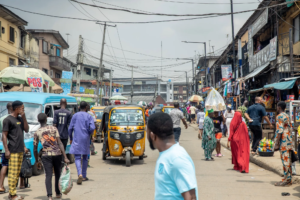
The flag has flown for 66 years. The real work is ensuring that the freedom beneath that flag finally becomes something every Nigerian can feel, not merely something every Nigerian is taught to celebrate.










Leave a comment