

G7’s $64bn Mineral Drive Opens New Industrial Pathways for Africa
The Group of Seven’s $64 billion critical minerals initiative is reshaping global supply chain strategy, with Africa emerging as a key frontier for investment in processing, industrialisation and value-added mineral development.
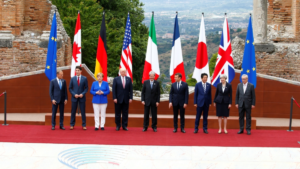
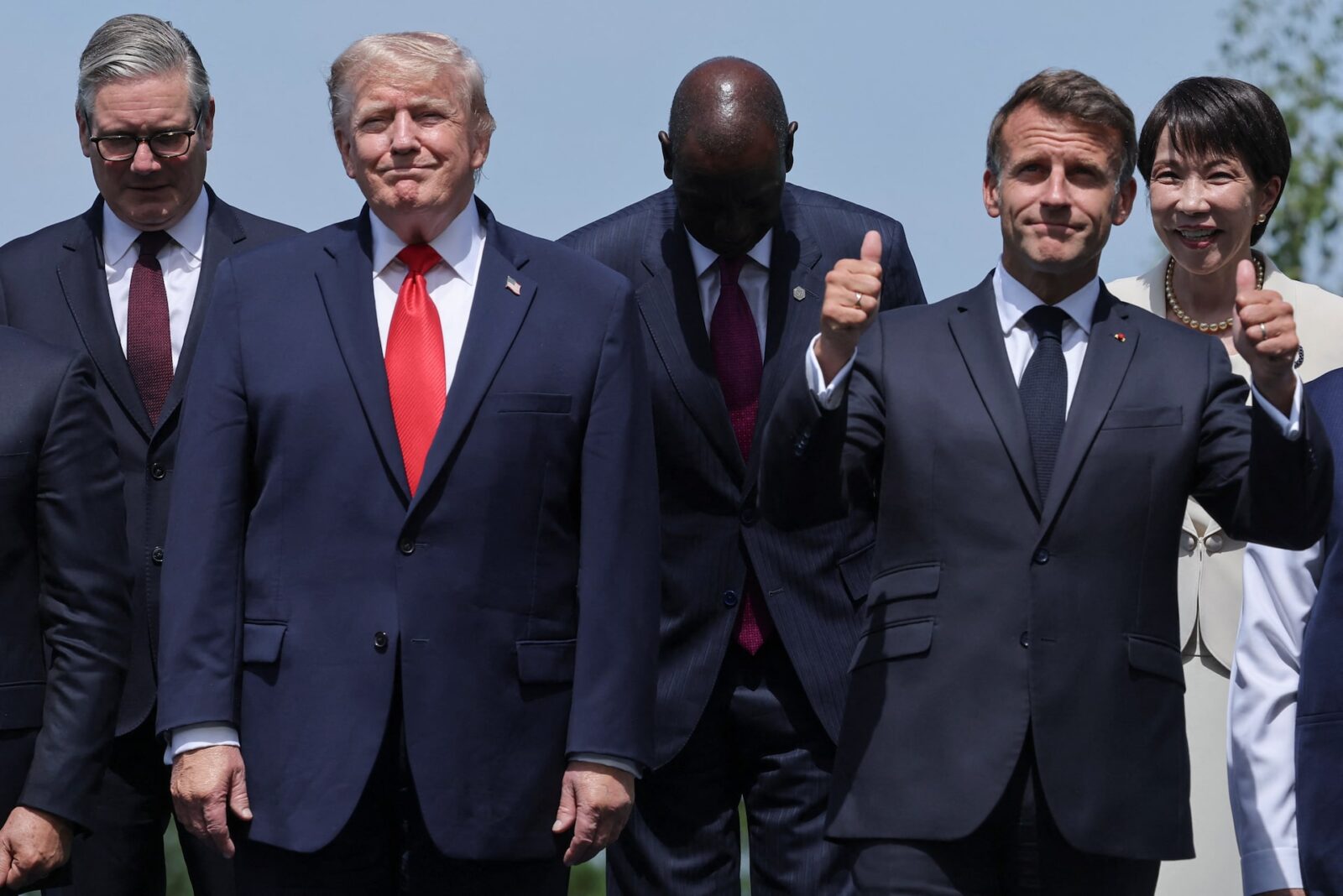
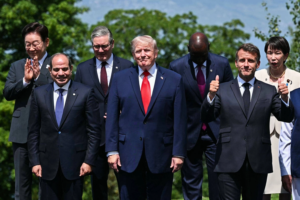 Announced at the G7 summit in Evian, France, the plan focuses on securing stable access to critical minerals such as lithium, cobalt, nickel, graphite and rare earth elements.
It also prioritises building processing capacity, recycling systems and industrial infrastructure in partner countries as advanced economies seek to reduce reliance on dominant supply chains, particularly those linked to China.
For Africa, the initiative arrives at a moment of renewed pressure to shift from raw material exports to local beneficiation.
Despite hosting some of the world’s largest reserves of strategic minerals, many African economies still earn limited value from extraction due to weak refining and processing capacity.
Across the continent, governments are increasingly pushing for policy shifts that require in-country processing and greater domestic retention of value.
Countries such as Kenya, Nigeria, the Democratic Republic of Congo, Zambia and Zimbabwe are positioning themselves to attract investment not just in mining, but in downstream industrial development.
Kenya is reported to be close to finalising a strategic minerals agreement with the United States that would support local processing of rare earths and other critical resources, marking a move toward deeper industrial cooperation rather than raw export dependence.
In West Africa, a rare earth processing facility is also taking shape through a mix of private and state-linked investment.
The project reflects a broader trend of emerging midstream capacity on the continent, even outside direct G7 financing structures.
Nigeria is advancing its own rare earth ambitions with plans for a large processing plant in its north-central region. Once completed, the facility is expected to expand refining capacity and strengthen Nigeria’s position within global critical minerals supply chains.
The Democratic Republic of Congo remains central to the global minerals race due to its vast cobalt reserves, which are essential for electric vehicle batteries and clean energy technologies.
Authorities are also pursuing new geological mapping initiatives to identify additional deposits and improve resource planning.
Although absent from the summit, South Africa continues to play a strategic role because of its established mining infrastructure and reserves of platinum group metals and manganese, both critical to energy transition industries.
Egypt is also strengthening its relevance in global supply chain discussions, leveraging its ports and geographic position around the Suez Canal to support logistics, trade flows and industrial connectivity.
Despite growing interest and commitments, financing remains the key constraint. African leaders argue that access to affordable capital, risk-sharing mechanisms and stronger investment frameworks will determine whether mineral wealth can translate into industrial transformation.
As competition for critical minerals intensifies, Africa is increasingly positioning itself not only as a supplier of raw resources, but as a future hub for processing, manufacturing and value-added industrial growth.