


Canada Retaliates With $20bn Tariffs as Trade Fight With Trump Deepens
Canada has struck back at the United States with fresh tariffs on American goods worth about C$27.6 billion ($19.9 billion), deepening an already bitter trade dispute between the two neighbours.
The Canadian government said the new duties would mirror the tariffs imposed by Washington and would range from 15% to 50%. They are scheduled to take effect on September 8.
More than 700 categories of US products are covered by the measures.
They include steel and aluminium, dairy products, household appliances, agricultural machinery, furniture, clothing, seafood, electronics, pulp and paper.
Finance Minister François-Philippe Champagne said Canada had made efforts to reach an agreement with Washington but could not accept what he described as demands that placed too much pressure on Canada without offering sufficient concessions in return.
Ottawa said it had not sought the confrontation but was forced to respond to protect Canadian businesses, workers and farmers.
The move comes days after the US imposed 50% tariffs on about C$27.6 billion worth of Canadian goods.
The American tariffs took effect on August 22 after negotiations between both governments failed to produce an agreement.
The escalating dispute is raising fresh concerns for businesses in both countries because of the close economic relationship between Canada and the United States.
Their supply chains are closely linked, particularly in the automobile, manufacturing, agriculture and energy industries.
Canadian Prime Minister Mark Carney has defended the decision to retaliate, saying his government would protect the country’s economic interests while keeping the door open for further negotiations with Washington.

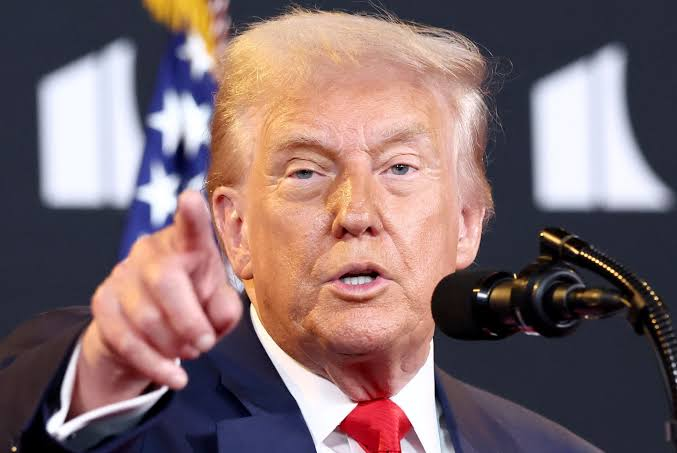
The dispute could become even more serious next year. Trump has threatened to introduce a 50% tariff on Canadian cars, trucks and auto parts from January 1, 2027.
To cushion the effect of the US tariffs, Ottawa has also unveiled a C$7.5 billion support package for affected workers and businesses.
The assistance is expected to include help for small businesses, companies struggling with cash flow and workers whose jobs are affected by the trade restrictions.
Canadian officials acknowledged that the counter-tariffs could push up prices for some consumers and increase operating costs for businesses.
They, however, argued that protecting domestic industries was necessary as the trade dispute continued.
The latest measures add to months of tension between Ottawa and Washington, with earlier tariff battles already affecting steel, aluminium, automobiles and other products.
As both sides increase pressure on each other, companies operating across the border are facing greater uncertainty.
Prolonged tariffs could raise production costs, disrupt established supply chains and eventually leave consumers paying more.
With no lasting agreement yet in sight, the latest exchange of tariffs has heightened fears that the dispute could develop into a broader trade war between two of the world’s most economically connected countries.





















PuvSkBWIzBoeJSqIv