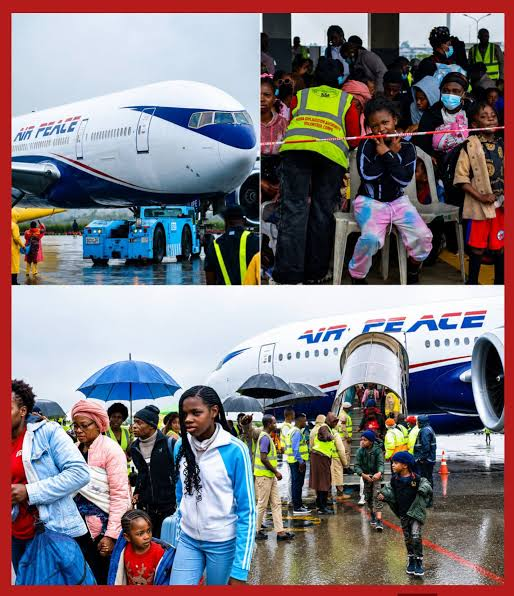



Air Peace Boss Urges Tinubu to Cut Airline Charges, Hit South Africa Economically
Chairman of Air Peace, Allen Onyema, has called on President Bola Tinubu to review taxes and charges imposed on airline operators, warning that the burden of multiple levies is threatening the survival of Nigeria’s aviation industry.

Speaking during an interview on ARISE News, Onyema argued that several charges imposed on airlines have become excessive and are making it increasingly difficult for operators to remain in business.
He particularly criticised the five per cent passenger service charge collected by the Nigerian Civil Aviation Authority (NCAA), insisting that the deduction significantly affects airline revenues.
According to him, many local carriers have struggled or collapsed over the years due to the weight of taxes and regulatory charges imposed on the sector.
To address the situation, Onyema urged the President to establish an independent committee to review aviation-related taxes and charges.
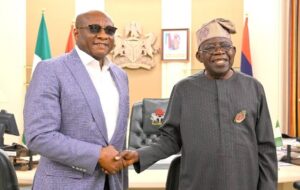
He said the proposed panel should comprise industry experts, technocrats and stakeholders capable of recommending practical reforms that would encourage growth and sustainability in the sector.
The Air Peace founder maintained that a thorough review of the current framework would help reduce operational pressure on airlines and prevent further failures within the industry.
Beyond aviation concerns, Onyema also renewed calls for stronger action against South Africa over recurring xenophobic attacks targeting Nigerians and other foreign nationals.
While condemning the attacks, he accused South African authorities of failing to adequately protect immigrants during periods of unrest.
According to him, many Nigerians living in South Africa contribute significantly to the country’s economy through businesses and investments, yet continue to face hostility and harassment.
Despite his criticism, Onyema ruled out retaliatory actions against South African-owned companies operating in Nigeria.
He noted that many Nigerians have investments and financial interests in such businesses, making direct attacks counterproductive.
Instead, he urged Nigerians to adopt what he described as a peaceful economic response by withholding investments and reducing economic support for South Africa.
Onyema argued that refusing to invest in the country would send a stronger message than violence or destruction of property.
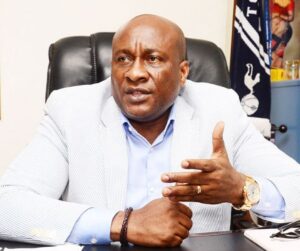
He added that economic pressure remains the most effective non-violent way of expressing dissatisfaction over the treatment of Nigerians and other foreigners in South Africa.