


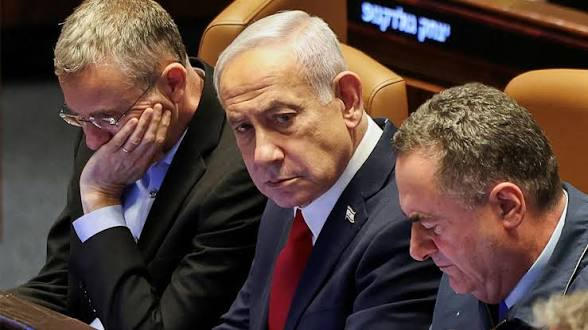
Israel Election: Netanyahu Loses Majority as Absentee Ballot Count and Coalition Talks Begin
Israeli Prime Minister Benjamin Netanyahu faces an uncertain political future as absentee ballots are counted and opposition leaders prepare for coalition talks following an election that weakened his parliamentary position.
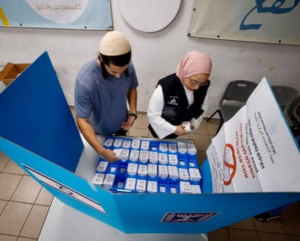
With 91 per cent of votes counted, Netanyahu’s bloc was projected to secure 53 seats, while opposition leader Gadi Eisenkot’s grouping had 48 seats and Palestinian-led parties were heading towards 19.
Neither side had secured the 61 seats required for a majority in Israel’s 120-member Knesset, leaving rival political camps searching for partners to form the next government.
Approximately 500,000 absentee ballots, including votes from military personnel and diplomats, were being counted, with the final tally expected on Thursday. Officials did not anticipate significant changes to the projected results.
Coalition negotiations were expected to begin on Thursday, with Yair Golan, leader of the centre-left Democrats, planning discussions with Eisenkot and opposition politician Yair Lapid about forming an alternative government.
The opposition faces a difficult choice over whether to cooperate with Palestinian-led parties, whose projected 19 seats could provide the parliamentary support needed to challenge Netanyahu’s political bloc.
However, several Jewish opposition leaders have previously opposed working with Palestinian parties, creating uncertainty over whether the opposition can overcome internal divisions and secure enough support to form a government.
Yousef Jabareen, head of the Arab-majority Joint List, said Palestinian lawmakers were prepared to support efforts to remove Netanyahu’s government, while indicating that cooperation would not necessarily mean joining a coalition.
The projected 19 seats represent a significant electoral achievement for Palestinian-led parties, potentially giving them considerable influence over negotiations and the composition of Israel’s next administration.
Meanwhile, Netanyahu’s Likud party alleged that Arab parties had compromised electoral integrity. Israel’s Central Elections Committee said it would examine the complaint as part of its routine post-election review.
Israeli President Isaac Herzog urged political leaders to remain open to compromise, expressing hope that the country could avoid another election as competing parties work towards a governing arrangement.
United Nations human rights chief Volker Türk also called for a major change in Israel’s policies, urging the incoming government to respect international law, humanitarian obligations and human rights standards.
The election has renewed debate over political inclusion and whether Palestinian citizens can participate meaningfully in government formation despite longstanding divisions within Israel’s political establishment.
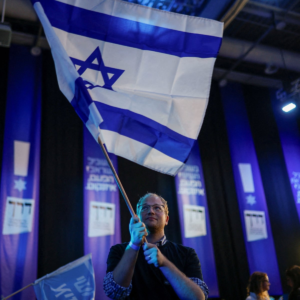
As absentee ballot counting continues and coalition negotiations approach, Israel faces a period of political uncertainty, with the final government outcome depending on whether rival parties can secure sufficient parliamentary support.

















Leave a comment