


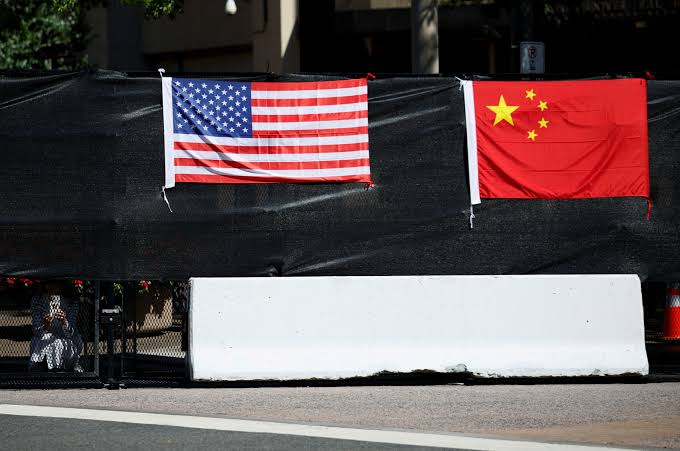
US Turns to Myanmar After Years of Isolation
The United States has opened direct talks with Myanmar’s military-installed government, marking a major shift from Washington’s policy of isolating the country’s generals since the 2021 coup.
The outreach has focused on shutting down scam centres that target Americans, but discussions have also touched on Myanmar’s valuable rare-earth mineral deposits.
Michael Vance, the US Assistant Secretary of State for Intelligence and Research, played a leading role in the new engagement, according to US officials and others familiar with the talks.
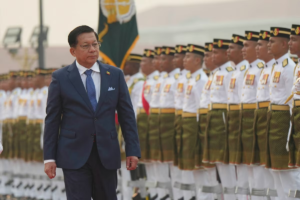
Vance met Myanmar’s military leader and President, Min Aung Hlaing, in Naypyitaw on September 15 and 16.
The meeting was initially aimed at securing the release of American businessman Adam Castillo, but it also created an opening for broader discussions between Washington and Myanmar.
The September meeting was the highest-level contact between the United States and Myanmar’s military leadership since the coup.
The development reflects a wider shift in President Donald Trump’s foreign policy towards transactional engagement rather than placing democracy promotion at the centre of US relations with Myanmar.
US officials said one major focus of the talks was Myanmar’s cooperation in shutting down scam hubs involved in romance and other financial fraud targeting Americans.
The scams have reportedly cost Americans billions of dollars, while researchers say some operations are based in territories controlled by militias.
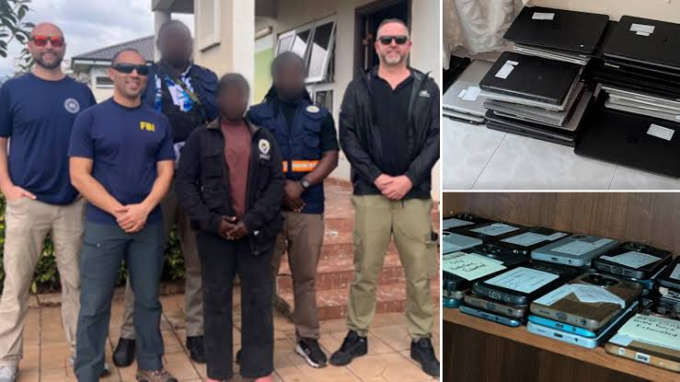
The US Federal Bureau of Investigation has also had direct contact with Myanmar authorities over cyber scams, according to people familiar with the matter.
American officials have discussed another strategic interest with Myanmar: access to its deposits of heavy rare-earth minerals.
The minerals are used in electric vehicles, wind turbines and other technologies, and Washington is seeking to reduce its dependence on supply chains dominated by China.
However, access to Myanmar’s rare-earth deposits could prove difficult because many of the deposits are located in areas controlled by ethnic armed groups fighting the military government.
China remains the main importer of Myanmar’s rare-earth minerals.
Vance has also reportedly met representatives of Myanmar’s democratic opposition and ethnic armed groups involved in the country’s conflict.
The US State Department said Washington engages with different groups in Myanmar on issues affecting American interests while continuing to call for an end to violence and the release of political prisoners.
“You don’t solve problems by ignoring them. You solve problems by addressing them,” State Department spokesman Tommy Pigott said.
Despite the new engagement, Min Aung Hlaing remains under US sanctions over alleged human rights abuses.
The sanctions relate partly to the 2016-2017 persecution and mass displacement of Rohingya Muslims, which the United States has described as genocide.
The latest US engagement also comes amid continuing violence in Myanmar. Less than two weeks after Vance’s visit, the country’s military carried out an airstrike on a crowded marketplace in Rakhine State, reportedly killing more than 50 people.
Castillo, a former head of the American Chamber of Commerce in Myanmar, was detained at Yangon airport on June 11.
People familiar with the matter said US officials held back-channel negotiations with Myanmar authorities before his release.
The talks followed an earlier meeting between American and Myanmar officials in Tokyo in June, which also involved Vance.
Washington’s latest approach marks a departure from the policy adopted after the 2021 coup, when President Joe Biden’s administration froze Myanmar-related assets and imposed sanctions on senior military officials and military-linked businesses.
The Biden administration also supported non-lethal assistance for groups opposing military rule.
Several of those programmes were later reduced during the Trump administration’s overhaul of US foreign aid.
The State Department said engagement with Myanmar’s military government would not end Washington’s relationships with other groups in the country.
However, the shift has drawn criticism from some members of Congress, including Representative Gregory Meeks, the top Democrat on the House Foreign Affairs Committee.
Meeks accused the administration of giving Myanmar’s military government greater international legitimacy.
Myanmar’s military-backed government has meanwhile increased its lobbying efforts in Washington as it seeks greater international acceptance.
The latest talks indicate that Washington is increasingly engaging Myanmar directly on issues linked to American security, economic interests and access to critical minerals.



















Leave a comment