


WHO: 150m Africans Living With Mental Health, Substance Use Conditions
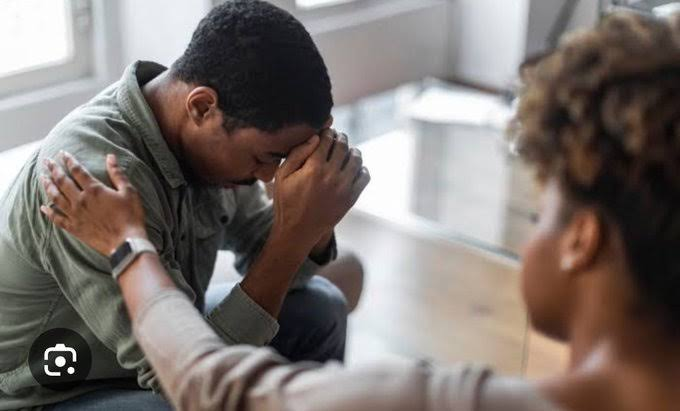
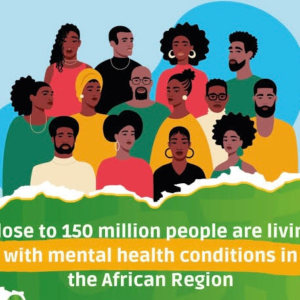
About 150 million people across Africa are living with mental health, neurological or substance use conditions, the World Health Organisation has disclosed.
The WHO Regional Director for Africa, Dr Mohamed Janabi, made this known in his message marking World Mental Health Day 2026.
This year’s observance is themed, “Lived experiences heard: real voices, real change,” with the WHO urging countries to listen more closely to people affected by mental health conditions.
Janabi said depression, anxiety disorders, alcohol and other substance use disorders continue to affect individuals, families and communities across the African Region.
He identified stigma and discrimination as major obstacles, saying many people who need mental healthcare still struggle to seek help because of how society treats them.
The WHO regional director also drew attention to the continent’s persistent shortage of mental health services, particularly for people living outside major urban centres.
He said only seven of the 47 countries in the WHO African Region currently have comprehensive mental health integration into primary healthcare.
Funding remains another major challenge. Janabi said governments in the region spend an average of just US$0.07 per person on mental health, compared with US$2.69 globally.
For millions of Africans, the shortage of funding translates into limited services, long distances to treatment centres and inadequate support within their own communities.
Janabi said mental healthcare should no longer be concentrated mainly in specialist facilities or major cities, stressing the need to bring appropriate services closer to where people live.
He also called for people with lived experience of mental health conditions to have a greater voice in designing policies and services intended to support them.
Their experiences, he said, could reveal weaknesses in existing systems, identify forms of assistance that work and help ensure that treatment protects dignity and human rights.
“Listening to these voices is essential if we are to build mental health systems that are responsive, inclusive and effective,” Janabi said.
The WHO has been creating opportunities for people with lived experience to participate directly in mental health programmes across the African Region.
Janabi said people with lived experience had participated as facilitators in the organisation’s Regional Mental Health Webinar Series and Mental Health Intercountry Learning Meetings held in South Africa and Togo.
The initiatives were developed with the Pan African Network of People with Lived Experience of Psychosocial Disability, giving affected people a direct role in discussions about mental healthcare.
The same approach, he said, informed the WHO Regional Office for Africa’s recently published Mental Health in Africa Investment Case.
The investment case advocates stronger community-based mental health services, protection of human rights and continued involvement of people who use mental health services.
It also places mental health within primary healthcare at the centre of efforts to achieve universal health coverage across the continent.
Janabi urged African governments to demonstrate stronger leadership and provide sustained funding to close the continent’s mental healthcare gaps.
He also called for formal mechanisms that would allow people with lived experience to participate continuously in mental health policy and decision-making.
Health professionals, civil society organisations and development partners, he said, should support the leadership of people with lived experience while helping expand compassionate mental healthcare within local communities.
“As WHO, we are committed to working alongside Member States and communities to expand accessible and rights-based care throughout the Region,” Janabi said.
He added that meaningful involvement of people affected by mental health conditions could help African countries develop systems that respond more effectively to the realities of everyday life.
“Real voices can drive real change. Together, we can build mental health systems with those who use them, and ensure they respond optimally to the lives people lead,” he said.










Leave a comment