


Why the October 1st Pogrom of 1966 Will Always Bears a Scarlet Stain on Nigeria’s Independence Day
If we mindfully forget the hundred thousands of lives that were murdered by sheer wickedness and unintelligible motivation on this day in 1966, every time we celebrate independence day, then, we are of all men, the most miserable. Because, make it make~sense, what manner of a man who leaves his brother in this type of agony and keeps going like nothing ever happened.
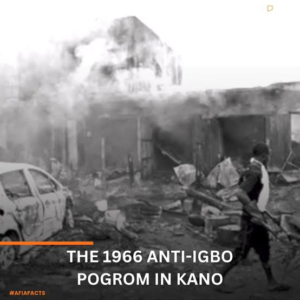
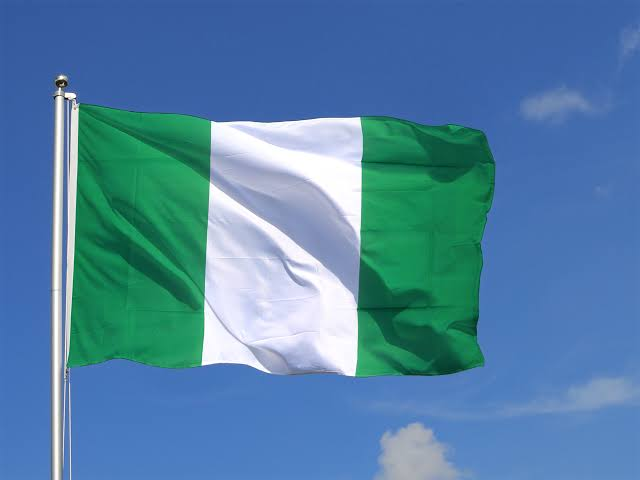
No matter how difficult it is to acknowledge this in such a time like this, I must make this submission here that beyond the anthem, the million exiles and the blood that christened Independence Day will always place terrible question marks on our pretentious faces. Because the idea of guns, grief, and green-and-white will continue to dance around Nigeria’s Darkest Anniversary. If you like, the day the flag bled. The truth is, while we celebrate freedom the mayhem of October 1st
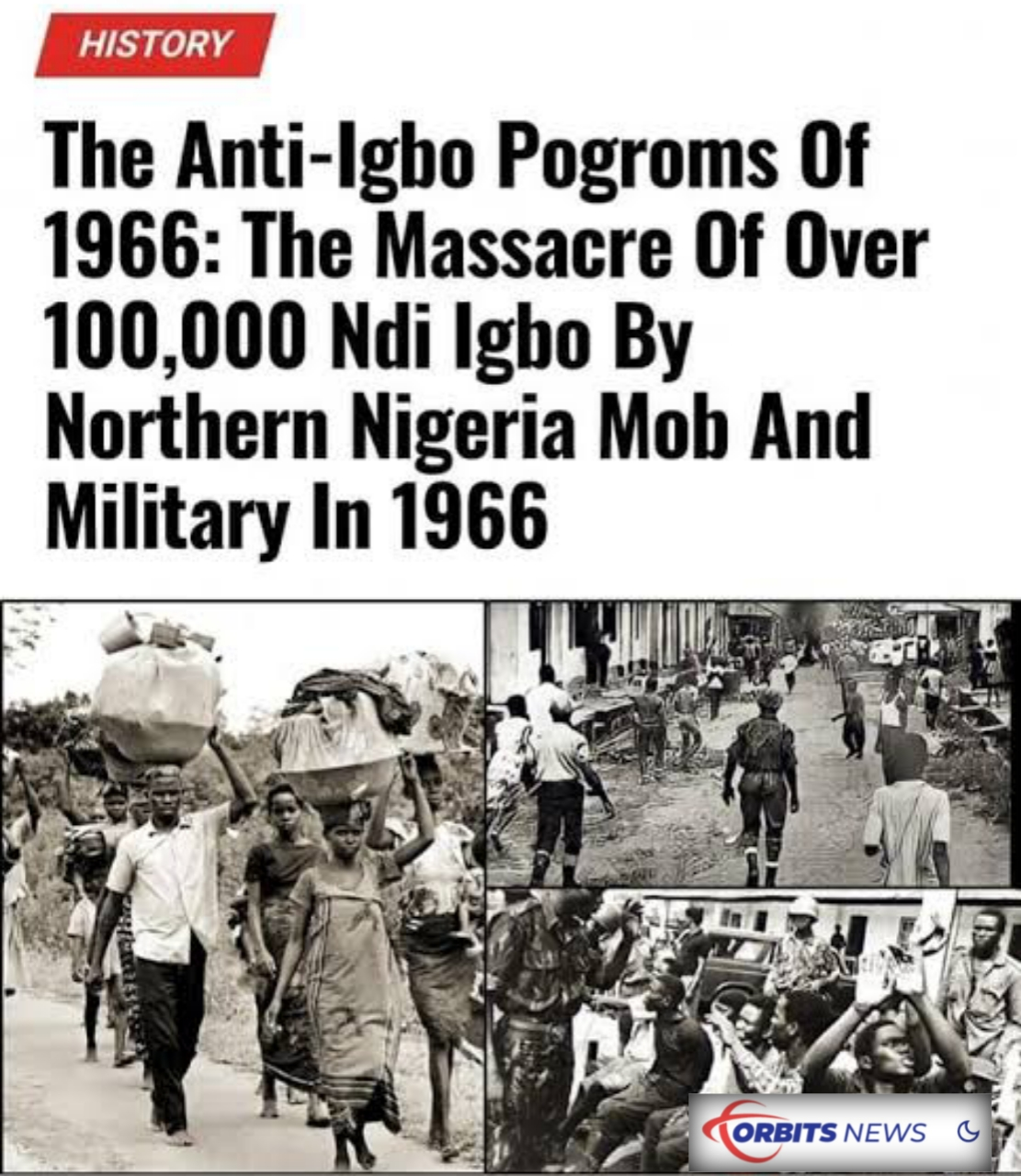
On October 1, while millions of Nigerians gather to celebrate the nation’s independence and reflect on the promise of freedom from colonial rule, history demands that we also look upon a deeply painful shadow. True patriotism does not require the erasure of tragedy; rather, it demands the courage to remember. Amidst the green-and-white flags and national anthems, the conscience of the nation must also hold space for a somber anniversary, the peak of the devastating 1966 anti-Igbo pogroms, which reached their deadliest crescendo over the very weekend of October 1, 1960’s six-year anniversary.
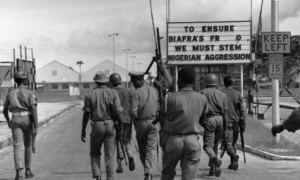
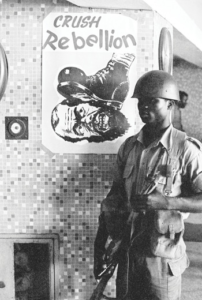
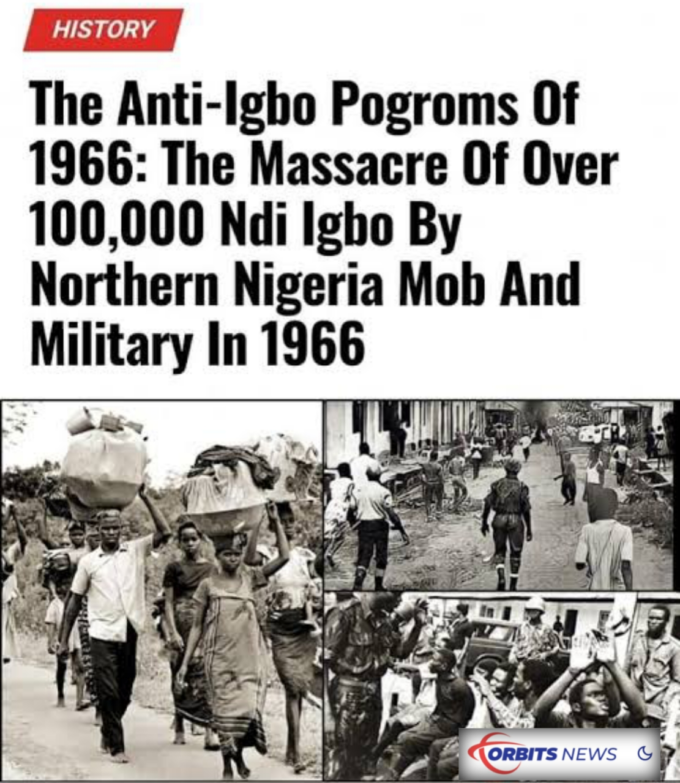
The historical record remains a stark reminder of how quickly the joy of a young republic fractured into tribalistic violence. Following the political upheavals and military coups of early 1966, late September and early October 1966 witnessed a systematic wave of ethnic violence targeted primarily against Igbos and other Easterners living in Northern Nigeria. Instead of celebrating six years of sovereign brotherhood, thousands of citizens faced state-wide terror, turning a date meant to symbolize national unity into a flashpoint of communal grief, bloodshed, and deep-seated betrayal.
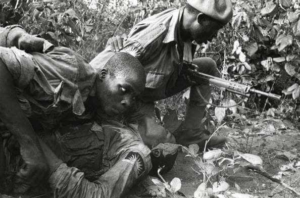
The sheer scale of the October 1966 mayhem catalyzed one of the greatest humanitarian crises in post-colonial African history. Historians and international archives document that between 8,000 and 30,000 Easterners lost their lives during the waves of pogroms, with the violence around October 1 serving as the final, breaking point. The resulting terror triggered an unprecedented mass exodus, forcing over one million displaced citizens to flee their homes, jobs, and businesses in the North to seek refuge in their ancestral Eastern homeland, an event that directly paved the path toward the declaration of Biafra and the subsequent Civil War.
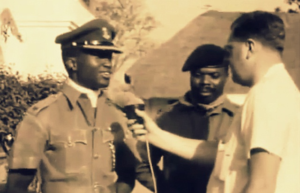
Therefore, as Nigeria marks its independence, remembering the victims of the 1966 pogrom is not an act of division, but a vital exercise in national healing. To honor October 1 fully, the nation must confront the full spectrum of its history, both its triumphs and its deepest failures. May Nigerians never forget the innocent lives lost in that deadliest of autumns, and may the memory of that mayhem serve as an enduring, solemn warning of the high cost of ethnic intolerance and the absolute necessity of justice, equity, and peace for all citizens.
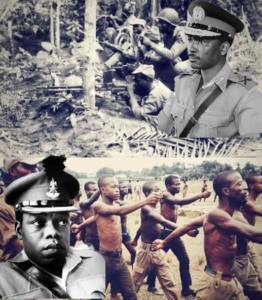
Before I take a bow, may I humbly remind us that to heal, we must remember the ever haunting ghost of october 1, 1966. Because for us to truly heal from these irredeemable scars and losses, we must quit honoring the Independence in the shadow of the 1966 Igbo Pogrom















Leave a comment