



Tithes, Offerings and Private Businesses: EFCC Issues Fresh Warning
The Economic and Financial Crimes Commission (EFCC) has warned religious leaders against diverting tithes, offerings, zakat and other funds belonging to religious organisations into their personal businesses.

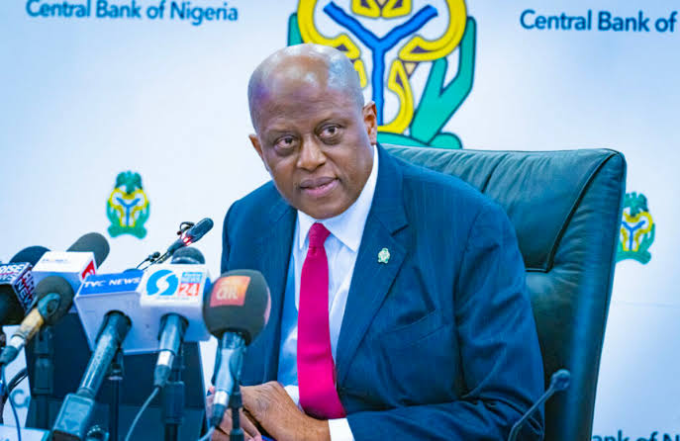
EFCC Chairman, Ola Olukoyede, gave the warning on Wednesday in Abuja during the 2026 Second Council Meeting of the Nigeria Inter-Religious Council (NIREC).
Olukoyede urged churches and mosques to put proper financial controls in place to ensure that funds entrusted to them are protected and used for their intended purposes.
He stressed that religious leaders must keep the finances of their organisations separate from their personal resources, noting that engaging in legitimate businesses was not the problem.
“You sell cars, you are a farmer and all of that. Don’t mix the money from the purse of your organisation with that of your own personal money,” he said.
“When money is paid to your organisation, don’t divert it to your business. That’s criminal.”
The EFCC chairman said religious leaders had a significant role to play in the fight against corruption because their conduct could influence the behaviour of their followers.
He noted that although the commission had the responsibility to investigate and prosecute financial crimes, religious institutions also had a duty to promote honesty, accountability and responsible conduct among their members.
Olukoyede further criticised the practice of religious institutions celebrating individuals whose sources of wealth appeared difficult to explain.
He cited situations where public officials with earnings that could not reasonably account for the cost of their properties or donations were publicly honoured in places of worship.
According to him, dedicating expensive religious projects funded with proceeds of crime could amount to giving legitimacy to illicit wealth.
He urged religious leaders to examine the sources of funds used for major donations and projects rather than celebrating wealth without questioning how it was acquired.






















Leave a comment