


Aproko Doctor’s Wife’s Story Puts PCOS, a Common Women’s Health Condition, in Focus
The whispers came long before the diagnosis. One missed period became a breeding ground for rumours, but the truth was hiding in a condition millions of women quietly live with.
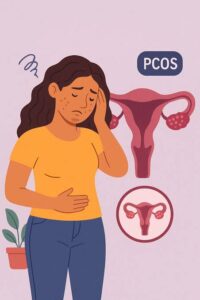
When Chef Amaka, wife of Nigerian health influencer Aproko Doctor, revealed that Polycystic Ovary Syndrome (PCOS), not her husband’s fertility, was behind their delayed conception, her story shifted the spotlight from gossip to a health condition that often speaks in whispers before it shouts.
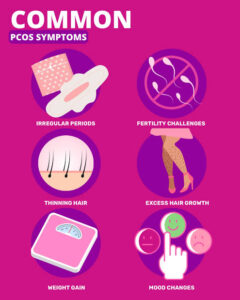
PCOS is one of the most common hormonal disorders affecting women of childbearing age, yet many do not realise they have it until they struggle with irregular periods or fertility.

The condition can also leave its fingerprints on the body through persistent acne, oily skin, excessive facial or body hair, thinning hair on the scalp, unexplained weight gain and even dark patches of skin around the neck, under the arms or in other body folds.
“PCOS is a lifelong health condition that extends far beyond the ovaries,” says Dr. Sara Berga, noting that early diagnosis can help women manage symptoms and protect their long-term health.
Doctors say PCOS is not the end of the road for women hoping to have children. With healthy lifestyle changes, appropriate treatment and regular medical care, many women conceive naturally or with medical support.
“Weight loss of as little as 5% can make a significant improvement in PCOS,” says Prof. Adam Balen, explaining that even modest changes can improve ovulation and overall health.
Another reassuring truth comes from Dr. Richard Legro, who notes that “many women with PCOS can achieve successful pregnancies with proper treatment.”
Perhaps the deepest wound is not always the condition itself but the judgement that often follows it. It is easy to read the last page of someone else’s story without knowing the chapters that came before.
Amaka’s experience is a reminder that delayed conception is not always a measure of a man’s fertility or a woman’s worth. Sometimes, the real battle is invisible, and the greatest medicine we can offer is compassion instead of conclusions.