

Nigeria Slips to Lowest in Global Living Standards as Inflation Climbs for Third Straight Month
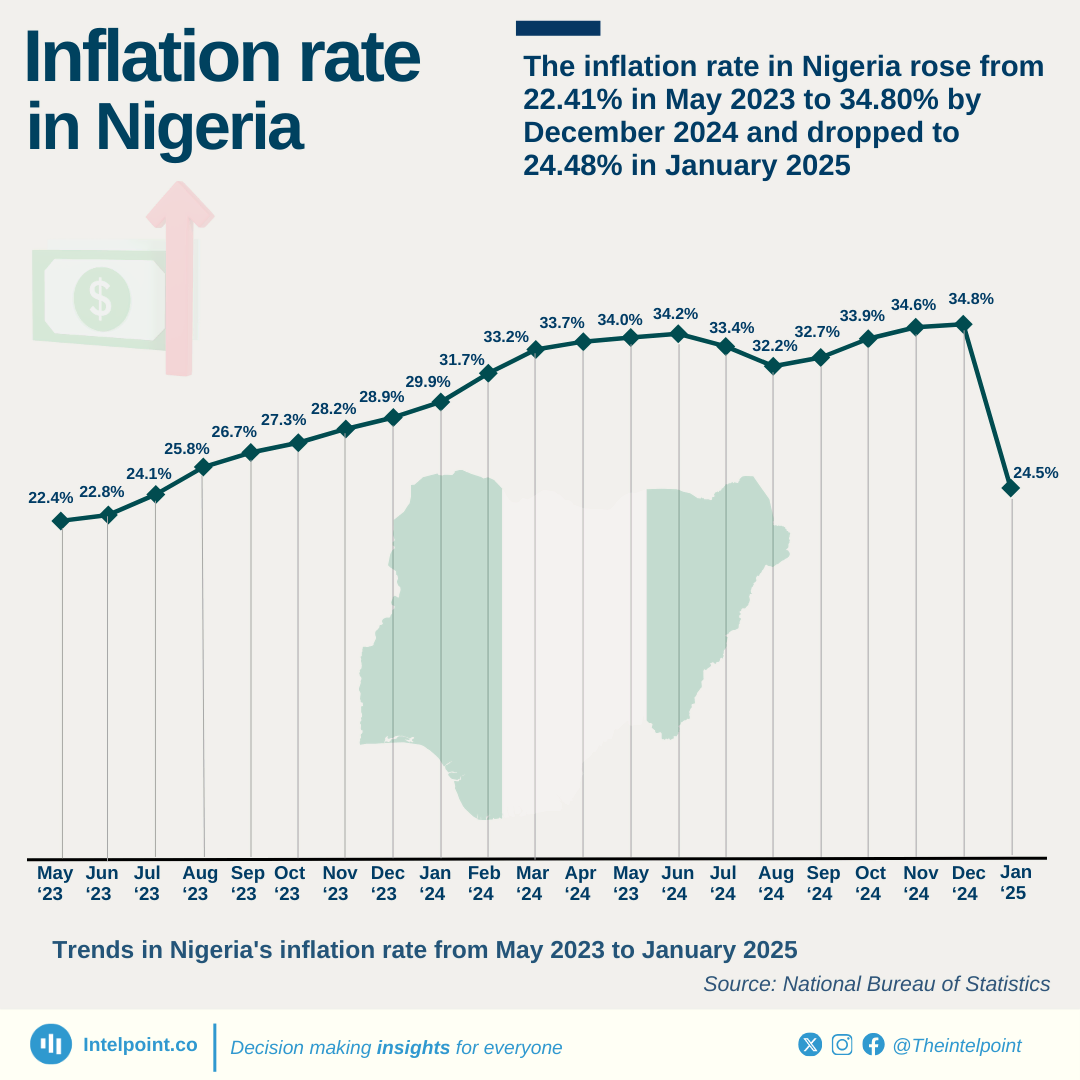
Nigeria’s cost-of-living crisis has deepened, with new figures showing inflation rising for the third consecutive month in 2026, further weakening household purchasing power and pushing the country to the bottom of global quality-of-life rankings.
Data from the National Bureau of Statistics (NBS) shows that headline inflation rose to 15.93 percent in May, up from 15.69 percent in April.
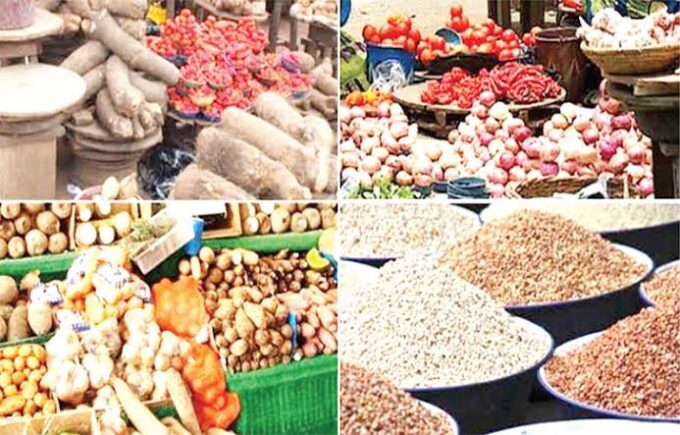
Food inflation also climbed to 16.96 percent, compared to 16.09 percent in the previous month, signalling continued pressure on basic household expenses.
On a month-to-month basis, inflation maintained an upward trajectory, with headline inflation recorded at 1.75 percent and food inflation at 2.98 percent.
The steady rise highlights sustained price pressures across essential sectors including food, transport, housing, and energy.
The prolonged inflationary trend has translated into worsening living conditions for many Nigerians.
The country was ranked at the bottom of the 2026 Quality of Life Index by Numbeo, alongside Sri Lanka and Bangladesh, based on indicators such as purchasing power, healthcare access, safety, cost of living, pollution levels, traffic congestion, housing affordability, and climate conditions.
Economist and financial analyst Godwin Oyedokun of Lead City University said the persistent rise reflects ongoing strain on households and businesses, driven largely by food and fuel costs.
He noted that while some macroeconomic indicators suggest limited stabilisation, everyday realities remain harsh, with rising prices eroding incomes and forcing families to cut back on essential needs such as education, healthcare, and savings.
He added that fuel price increases continue to ripple through the economy, raising transport and production costs that are ultimately transferred to consumers.
Food inflation, he said, remains particularly severe for low-income earners who spend most of their income on basic necessities.

Oyedokun called for broader policy interventions beyond monetary measures, stressing the need to strengthen agricultural output, improve security in farming regions, upgrade infrastructure, and reduce logistics costs to ease inflationary pressure.
He warned that while long-term reforms may eventually stabilise the economy, many Nigerians are currently facing immediate hardship.
The Centre for the Promotion of Private Enterprise (CPPE) also linked the inflation surge to global energy shocks and geopolitical tensions affecting supply chains and fuel prices.
The group maintained that Nigeria’s inflation remains largely cost-driven, urging government action focused on food security, transport systems, rail development, and improved energy supply to reduce production and living costs.