


UNICEF Raises Concern as 624,000 Children Remain Out of School
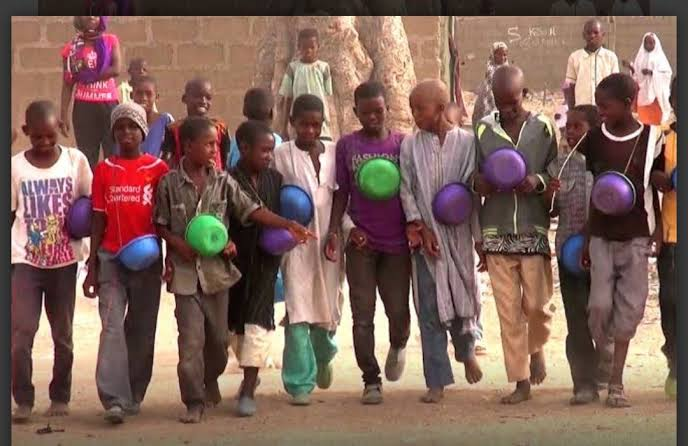
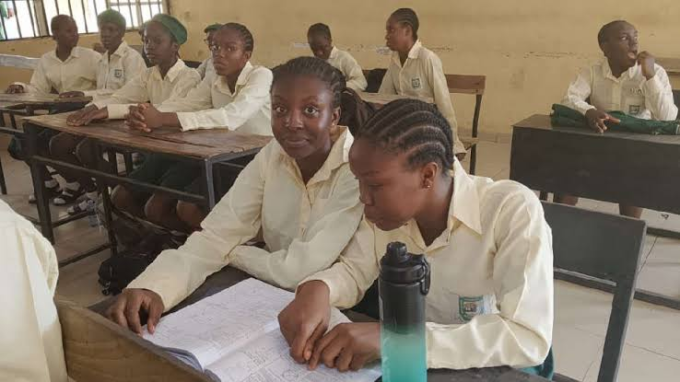
The United Nations Children’s Fund (UNICEF) has disclosed that approximately 624,000 children are out of school across Sokoto, Kebbi and Zamfara states, calling for urgent action to reverse the situation.
The organisation said about 68,000 children had so far been reached through programmes designed to get them back into classrooms. However, it warned that the number of children still missing education remained a major concern.
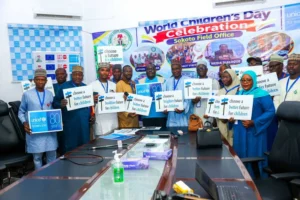
UNICEF’s Chief of Field Office in Sokoto, Dr Michael Juma, revealed the figures during a media briefing organised to mark the 2026 World Children’s Day.
He urged state governments, journalists, traditional rulers, religious leaders and community organisations to work together to tackle the barriers preventing children from accessing education and other essential services.
Juma described the media as an important partner in protecting children’s rights, urging journalists to go beyond reporting daily events by investigating gaps in public services and demanding accountability from relevant authorities.
“The media are important duty-bearers in advancing children’s rights. Journalists must provide balanced coverage that highlights development achievements while drawing attention to persistent gaps affecting the wellbeing of children,” he said.
He reaffirmed UNICEF’s commitment to working with the three state governments and development partners to improve access to education, healthcare, nutrition, clean water and social protection.
Giving details of the organisation’s interventions, Juma said approximately 98,000 children had benefited from the Teaching at the Right Level programme, which helps pupils improve their basic reading, writing and numeracy skills.
He added that UNICEF was supporting teacher training, the provision of learning materials, accelerated basic education and integrated Qur’anic education. Other initiatives include radio-based learning and the Nigeria Learning Passport, particularly for children affected by insecurity, displacement and emergencies.
On healthcare, the UNICEF official disclosed that approximately 7.8 million children across the three states had received measles-rubella vaccinations, while more than five million were reached during the last polio immunisation campaign.
He also reported progress in malaria vaccination in Kebbi, where about 148,000 children had received their first dose and 130,000 had received the second.
Addressing malnutrition, Juma commended the Sokoto and Zamfara governments for allocating approximately N100 million and N500 million respectively to purchase Ready-to-Use Therapeutic Food for children suffering from severe acute malnutrition.
He also acknowledged Kebbi State’s contribution of about N540 million towards providing free medical services for children.
According to him, UNICEF-supported social health insurance programmes had extended healthcare coverage to approximately 86,000 beneficiaries in Zamfara, 18,000 in Sokoto and 10,000 in Kebbi.
In child protection, Juma said the organisation had supported the development of relevant legislation, Family Court Rules and social protection policies to improve the protection and rehabilitation of vulnerable children, including those in conflict with the law.
He further disclosed that a Special Care Baby Unit had been established in Sokoto, while similar interventions were being pursued in Kebbi and Zamfara to improve care for premature and low-birth-weight babies.
Despite these efforts, he said the number of children still outside the classroom remained a serious challenge, stressing that identifying them would mean little without sustained efforts to enrol and keep them in school.
“Identifying these children is only the first step. The real challenge is ensuring that they return to school and remain there to acquire the knowledge and skills necessary for their future,” he said.
Juma also addressed concerns about reduced international development funding, describing it as a global challenge. He said UNICEF was exploring additional ways to mobilise resources and maintain essential programmes, adding that education interventions in the three states had not been affected by the earlier funding decline.
On reaching communities affected by insecurity and difficult terrain, he said the organisation was working through government structures, field facilitators and independent monitoring arrangements to ensure that vulnerable children and women were not left behind.
He called for stronger involvement of parents, community leaders, civil society groups and government agencies, insisting that protecting children’s rights required shared responsibility.
Juma also invited journalists to participate in future field visits to assess UNICEF-supported projects and report on their impact.
He urged media organisations to support the December 5–11, 2026 polio immunisation campaign through public awareness and community mobilisation, encouraging parents and caregivers to present eligible children for vaccination.
The briefing formed part of activities marking the 2026 World Children’s Day, celebrated under the theme, “My Day. My Rights. My Future.”
UNICEF stressed that improving children’s lives would require more than public promises, calling for sustained investment, effective delivery of essential services and accountability from leaders and communities.
















Leave a comment