


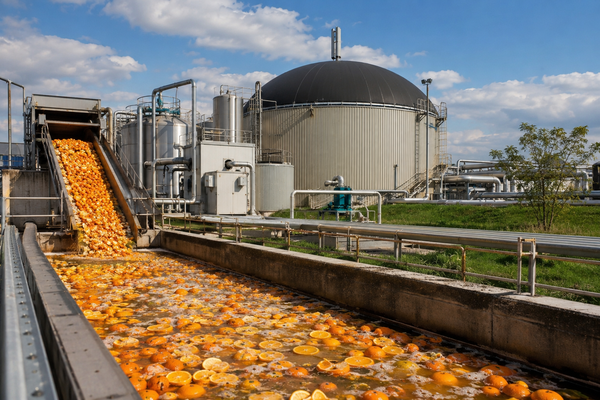
Brazil Orange Juice Plant Turns Wastewater Into Biogas
A major orange juice producer is developing a large biogas facility in Brazil that will turn wastewater from fruit processing into renewable energy.
The Louis Dreyfus Company has begun construction of the facility in São Paulo State, beside its Bebedouro orange juice processing plant.
The new project will occupy more than two million square feet and is expected to become the largest facility of its type globally when completed.
The plant is designed to process thousands of cubic feet of organic wastewater generated during orange washing and juice extraction.
The wastewater contains sugars, organic acids and other materials that make conventional disposal difficult and costly.
Instead of treating the waste solely for disposal, the company plans to use it as a source of biogas.
The facility is expected to process between 13,770 and 14,125 cubic feet of raw effluent every hour.
Once fully operational, it could generate more than 1.77 million cubic feet of raw biogas each day.
The resulting biomethane will replace part of the natural gas currently used to power industrial heating equipment at the juice plant.
Louis Dreyfus expects the switch to cut direct carbon emissions from the juice complex by more than 20 per cent.
The company also expects its fuel costs to fall by about half, strengthening the financial case for the project.
The system will also help address water pollution by treating the wastewater rather than sending untreated effluent into the environment.
After purification, the treated water will be released into the nearby Paiol River.
The project follows earlier pilot tests carried out with biotechnology specialists to determine how efficiently the system could handle changes in wastewater composition.
Researchers developed a specialised mixture of microorganisms to break down the acidic citrus waste inside sealed tanks without oxygen.
The bacteria consume the organic compounds and produce methane and carbon dioxide during the process.
The raw gas will then be cleaned to remove moisture and hydrogen sulfide before the biomethane is sent to the factory’s boilers.
The process will also produce digestate, a nutrient-rich material that can be converted into organic fertiliser for use by nearby farmers.
The facility is expected to be completed before the end of 2026.
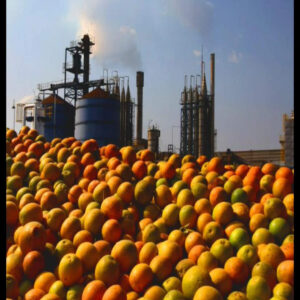
If successful, the project could provide a model for how large agricultural processors can turn waste from their own operations into energy and useful by-products.