


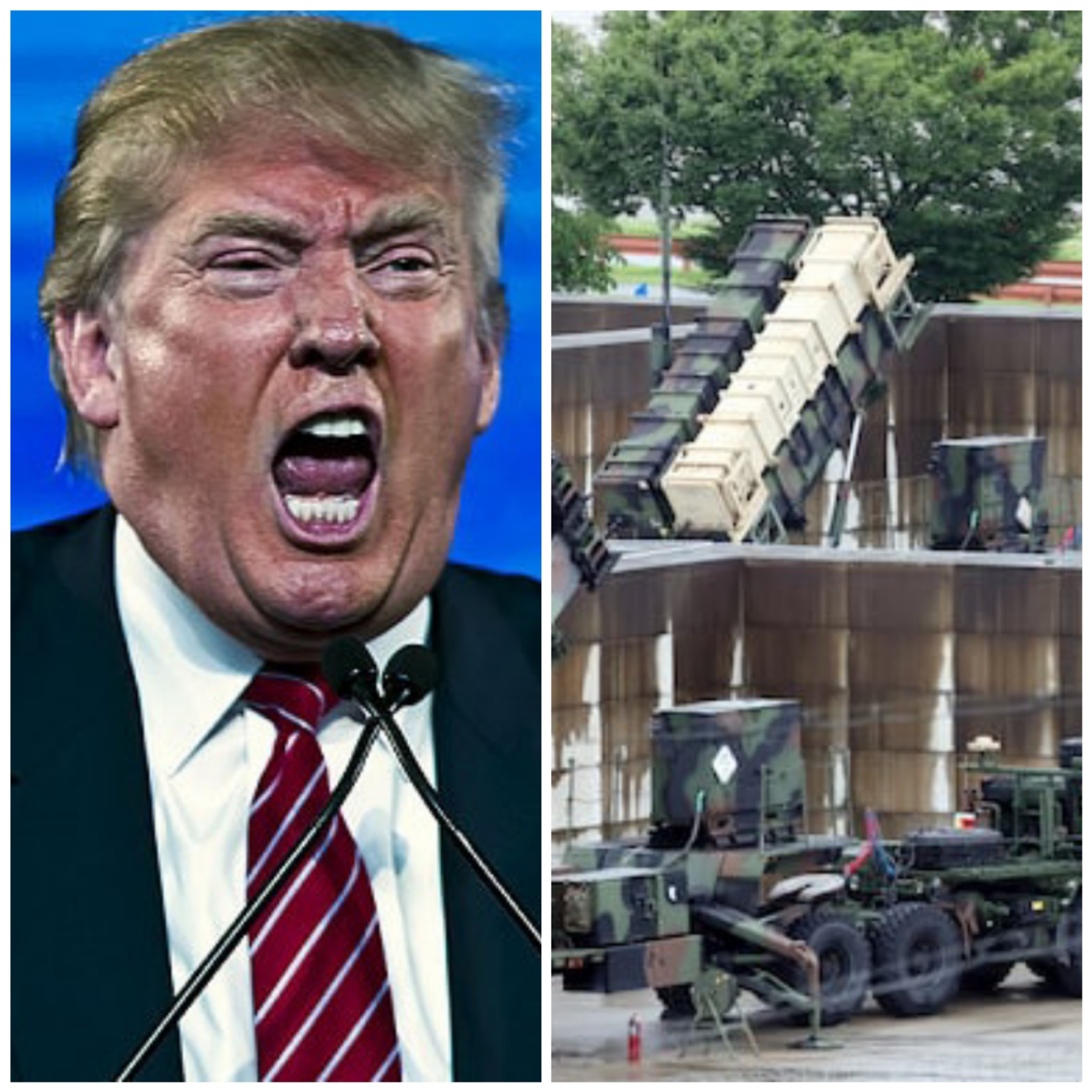
Iran Wants Diplomacy To End War, But Trump Says Terms Are Unacceptable
Tehran says the door to diplomacy is still open, even as the guns continue to fire and the war with the United States drags on.
Iranian Foreign Minister Abbas Araghchi made that position clear in a new interview with the state-owned Iran newspaper.
According to Araghchi, Iran has not walked away from talks. Messages, he said, are still moving quietly between Tehran and Washington through intermediaries, despite the fighting on the ground and in the air.
What Iran wants, he explained, is not just a temporary ceasefire. Tehran is looking for an agreement that would stop the conflict from erupting again in a few months’ time.
But for that to happen, he added, Iran needs to be convinced that Washington is serious. Without clear assurances that the United States is genuinely committed to negotiations, he said, progress will remain difficult.
That demand for trust has now become central to the diplomatic track, with mediators working to create the conditions for both sides to talk directly again.
Confidence-Building And The Uranium Red Line
Araghchi revealed that Tehran has been discussing possible confidence-building measures with mediators as part of efforts to rebuild a minimum level of trust.
Those measures, he suggested, could help lower tensions and create space for a broader political settlement.
At the same time, he was firm on what Iran will not surrender. Tehran, he said, is not prepared to abandon its core demands, particularly its insistence on retaining highly enriched uranium inside the country.
That issue remains the hardest knot in the negotiations. For Washington, the stockpile is a security threat. For Tehran, it is a matter of sovereignty and national interest.
Still, Araghchi left room for flexibility. He indicated that Tehran remains open to compromise if an arrangement can be found that protects its national interests while also addressing international concerns.
“I believe a fair solution can be reached on the issue of nuclear material, one that is based on our national interests while also meeting the country’s needs,” he said.
One idea previously discussed by Iranian officials involves diluting Iran’s highly enriched uranium stockpile under the supervision of the International Atomic Energy Agency (IAEA).
Such an arrangement, supporters argue, could reduce the proliferation risk without forcing Iran to ship all its material abroad.
The scale of the problem is significant. The IAEA estimated that Iran possessed 440.9 kilogrammes of uranium enriched to 60 per cent before Israel and the United States attacked its nuclear facilities in June 2025.
How much of that material survived the strikes remains uncertain, and that uncertainty continues to complicate the talks.
Trump Draws A Hard Line
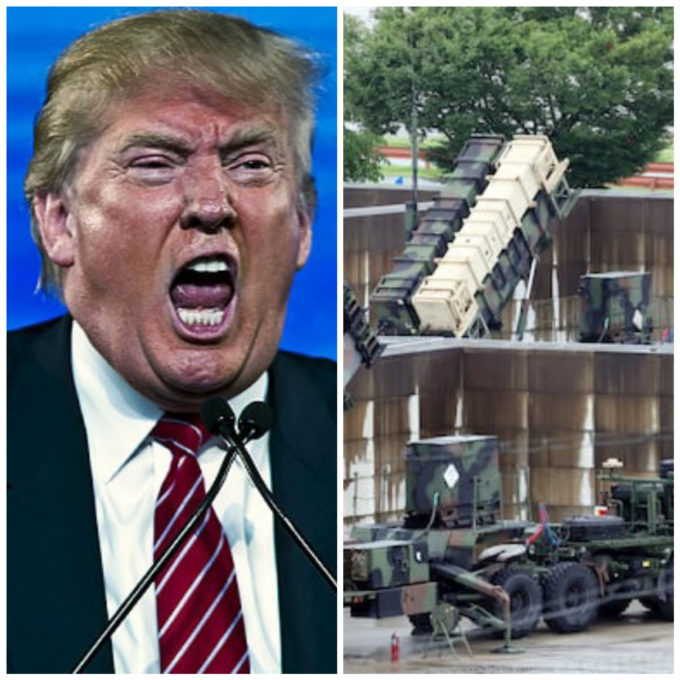
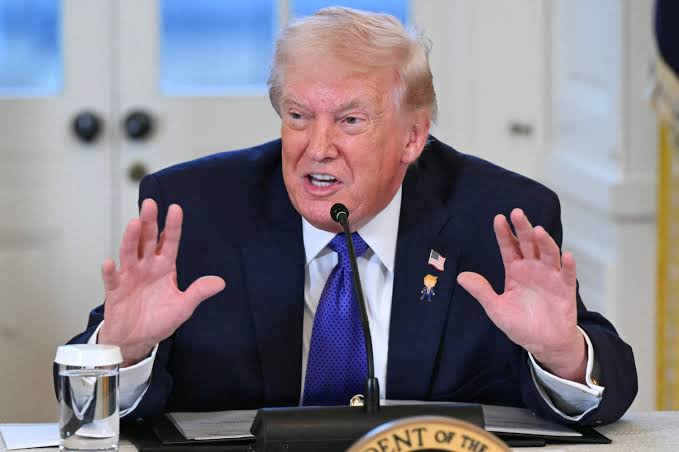
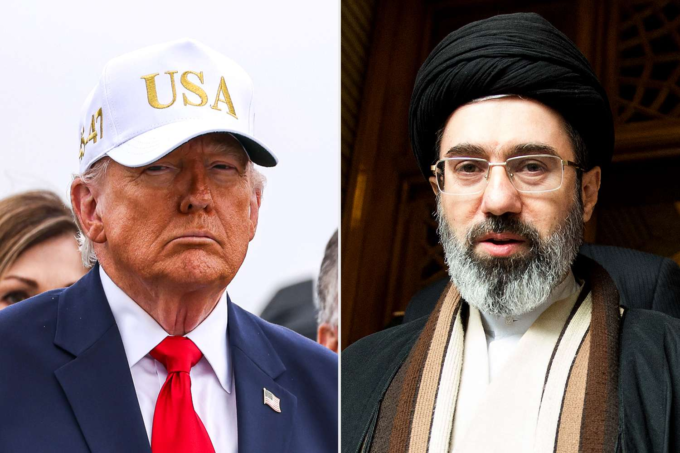
In Washington, the tone is very different. President Donald Trump has given little indication that he is prepared to accept Tehran’s current position.
Speaking at a press conference on Friday, Trump said Iran wanted an agreement but was unwilling to accept terms he considered satisfactory.
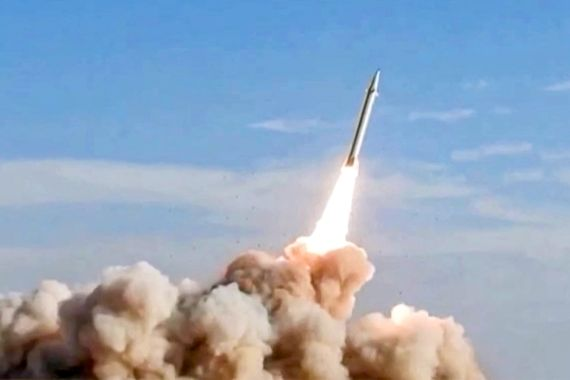
The war itself began when the United States and Israel launched attacks on Iran on February 28, triggering Iranian retaliatory strikes against Israel and Gulf countries hosting American military bases.
Since then, the conflict has continued to destabilise the Middle East, disrupt international shipping and push up global energy prices.
Several countries across the region have also been drawn into the confrontation, raising fears of a wider escalation.
Despite that, diplomatic efforts have not stopped. Qatari and Iranian officials met on Tuesday to discuss ways of narrowing differences between the proposals put forward by the parties and finding common ground.
A spokesperson for Qatar’s Foreign Ministry said the discussions were aimed at bringing the two sides’ positions closer together, although no breakthrough was announced.
For now, both sides say they want an end to the war, but they remain far apart on what that end should look like.












Leave a comment