


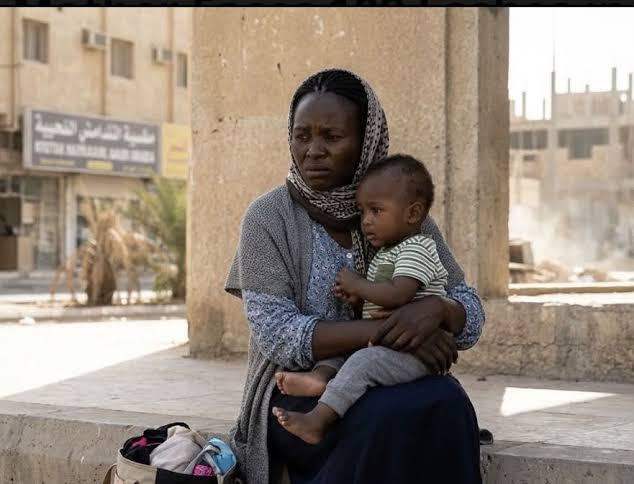
Kenyan Mother 100 Lashes in Saudi Arabia for Giving Birth Outside Marriage
A Kenyan domestic worker in Saudi Arabia has reportedly been sentenced to 100 lashes after giving birth outside marriage, prompting condemnation from international rights advocates.

Esther Wanja Muthoni, who worked as a housekeeper and nanny, became pregnant following a brief relationship with an Egyptian man who reportedly left Saudi Arabia.
Her sentence, issued last month, has drawn criticism from campaigners who describe the punishment as violence against women and question its fairness and proportionality overall.
Under Saudi Arabia’s legal system, sex outside marriage is criminalised. Rights advocates say women face disproportionate consequences, particularly migrant workers with little support or protection.
The case reportedly emerged after Muthoni gave birth in hospital. Medical facilities must notify authorities when unmarried women deliver their babies under existing regulations.
Ekaterina Porras Sivolobova, founder of migrant workers’ rights organisation Do Bold, told the Guardian that many unmarried women give birth at home and avoid detection.
She said hospital reporting requirements were the reason Muthoni’s situation became known, adding that numerous other women may remain outside public view in similar circumstances.
After the ruling, Muthoni told the New York Times she feared she would not withstand the lashes, saying she did not deserve the punishment imposed.
A 2024 Guardian investigation documented Kenyan single mothers abandoned by their children’s fathers, some fearing arrest over extramarital relationships in Saudi Arabia and seeking assistance.
Maryam Aldossari, acting director of UK-based rights organisation ALQST, described the sentence as an act of violence and argued that Muthoni should be returned home.
Aldossari questioned Saudi Arabia’s claims of progress on women’s rights, pointing to the punishment despite Crown Prince Mohammed bin Salman’s public reform agenda for women.
Saudi Arabia announced in April 2020 that flogging would be ended as a judicial punishment, but the reform did not cover every category of offence.
According to an ALQST report published in 2021, the reform applied to ta’zir offences, where judges determine penalties, while certain hudud offences remained exceptions under Islamic law.
Flogging could remain a possible penalty for offences carrying fixed punishments under Islamic law, including adultery and alcohol consumption, the organisation reported in its findings.
The controversy has also emerged as a planned visit by UN special rapporteur Reem Alsalem to Saudi Arabia was postponed last week amid scheduling difficulties.
Alsalem said she intended to raise individual cases during the visit and would pursue them through established UN channels if another visit did not happen soon.
Sivolobova said securing assistance from Kenyan authorities for mothers facing similar circumstances had proved difficult, limiting support available to affected migrant women seeking help abroad.
The Saudi government was approached for comment on Muthoni’s reported sentence, but the Guardian said no response had been received before publication of its report.

























Leave a comment