


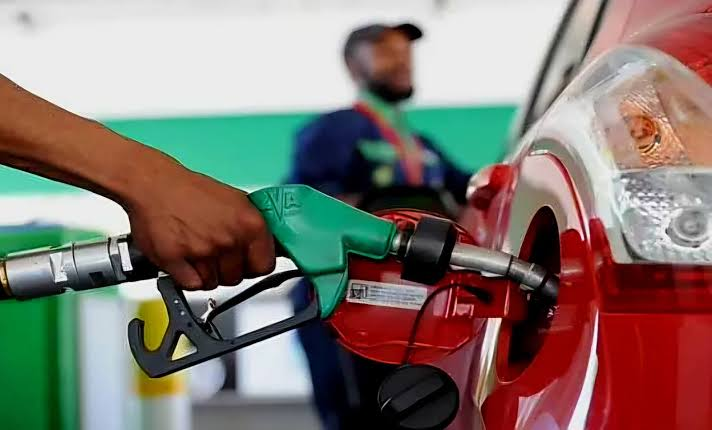
African Countries Where Petrol Costs the Least in September
Petrol prices across Africa continue to show a wide gap, with motorists in some countries paying only a fraction of what consumers pay elsewhere on the continent.
The differences are particularly striking among major oil-producing nations, where government subsidies, regulated pump prices and domestic energy policies can keep petrol prices considerably below international market levels.
Latest figures from GlobalPetrolPrices, based on October-95 gasoline prices recorded on September 21, 2026, put Libya at the bottom of Africa’s petrol-price table, followed by Angola and Algeria.
Here are the 10 African countries with the lowest recorded petrol prices in September.
1. Libya — about ₦32 per litre
Libya has the lowest petrol price in Africa, according to the September 21 data.
GlobalPetrolPrices recorded the price of Octane-95 petrol at 0.150 Libyan dinar per litre, equivalent to about $0.024 per litre.
The North African country has some of the continent’s largest oil reserves, and petroleum remains central to its economy. Its heavily regulated domestic fuel market helps keep pump prices exceptionally low compared with most other countries.
2. Angola — about ₦433 per litre
Angola came second, with petrol priced at 300 kwanza per litre, or about $0.327 per litre.
The country is one of Africa’s major crude oil producers, although its domestic fuel market has undergone changes in recent years as authorities have reviewed subsidies and pricing policies.
3. Algeria — about ₦465 per litre
Algeria ranked third, with petrol selling for about $0.352 per litre.
The country’s large hydrocarbon industry has long played a major role in its economy, while regulated domestic fuel prices have kept petrol relatively inexpensive compared with many African markets.
4. Egypt — about ₦615 per litre
Egypt occupied the fourth position, with the price of petrol put at $0.465 per litre.
Unlike countries that depend almost entirely on imported refined petroleum products, Egypt has substantial refining capacity and remains an important player in Africa’s oil and gas industry.
5. Sudan — about ₦926 per litre
Sudan ranked fifth at approximately $0.700 per litre.
The country’s fuel market has been affected by economic pressures, currency challenges and changes to government support for petroleum products.
Despite the relatively low dollar-denominated pump price, the cost can represent a much heavier burden for consumers because of local economic conditions.
6. Tunisia — about ₦1,134 per litre
Tunisia recorded a petrol price of about $0.857 per litre, placing it sixth.
Unlike neighbouring Libya and Algeria, Tunisia has considerably smaller hydrocarbon reserves and relies more heavily on imports to meet part of its domestic energy requirements.
7. Niger — about ₦1,155 per litre
Niger followed at approximately $0.873 per litre.
The country has been expanding its petroleum industry and has moved into crude oil exports, adding a new dimension to an economy that previously relied heavily on imported fuel.
8. Nigeria — about ₦1,331.50 per litre
Nigeria ranked eighth, with GlobalPetrolPrices putting the average petrol price at ₦1,331.50 per litre on September 21.
The tracker recorded the Nigerian figure at $1.006 per litre and said it was 12 per cent higher than the price recorded a month earlier and 55.3 per cent above the level a year earlier.
The figure is a continental average reported by the tracker. Actual pump prices in Nigeria can differ from one location and filling station to another.
9. Ethiopia — about ₦1,372 per litre
Ethiopia placed ninth, with petrol priced at about $1.036 per litre.
GlobalPetrolPrices lists the local price at 167.50 Ethiopian birr per litre.
Ethiopia has historically depended heavily on imported petroleum products, making fuel prices particularly sensitive to foreign exchange conditions and international energy costs.
10. Gabon — about ₦1,377 per litre
Gabon completed the top 10, with petrol selling for approximately $1.041 per litre.
The country is a significant oil producer in Central Africa, although its domestic fuel market remains regulated. GlobalPetrolPrices puts the local pump price at 595 CFA francs per litre.
The rankings underline the sharp differences in petrol pricing across African economies.
The gap between Libya and the countries further down the table is particularly large. GlobalPetrolPrices attributes differences in pump prices globally to factors including taxation, subsidies and domestic fuel-market policies.
It is also important to distinguish low pump prices from affordability. A country can record a relatively low petrol price in US-dollar terms while the fuel remains expensive for its citizens when measured against wages, household income and other living costs.
The September figures therefore provide a comparison of pump prices across African countries rather than a measure of how affordable petrol is for ordinary households.





















Leave a comment