


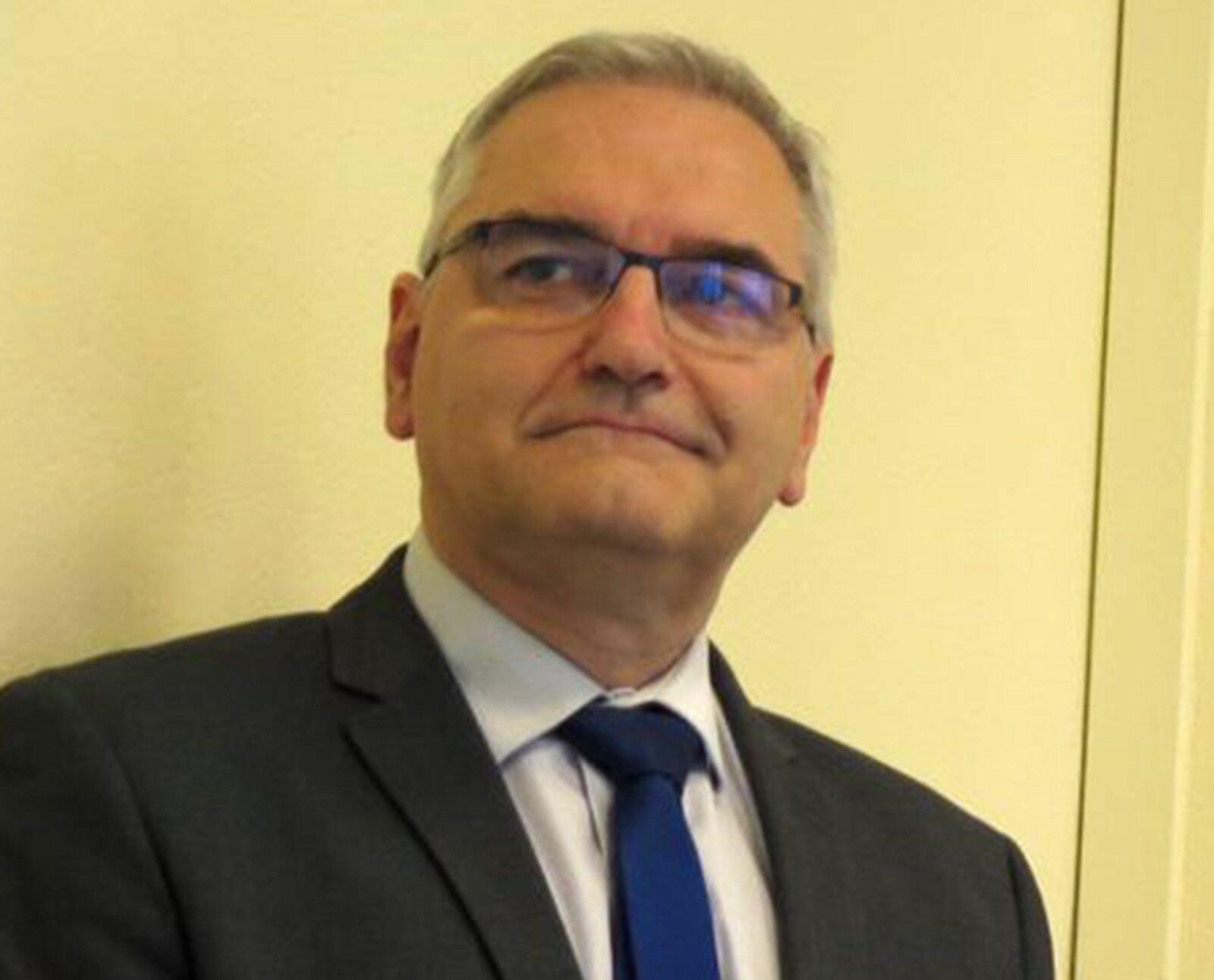
Nearly 250 Women Accuse French Official of Drugging Them
Nearly 250 women have accused a former senior French civil servant of drugging them during job interviews and deliberately putting them in humiliating situations, according to a BBC investigation.
The women allege that Christian Nègre used drugs to make them lose control of their bladders during interviews held between 2009 and 2018. The alleged method is described as chemical submission, where substances are used to weaken, control or incapacitate another person.
One of the women, Anaïs de Vos, said she was 27 when she attended a job interview with Nègre at France’s Ministry of Culture in Paris in 2011.
According to her account, Nègre prepared a cup of coffee for her during the interview. Although she rarely drank coffee, she accepted it out of courtesy but noticed that it tasted unusual.
She said she soon became extremely weak and developed an uncontrollable urge to urinate.
While walking through Paris with Nègre, de Vos said she desperately searched for a toilet. She alleged that he directed her to a storage area beneath a bridge and told her she could relieve herself there.
She eventually found a café but said she lost control of her bladder before reaching the toilet.
“I felt really weak physically,” she recalled.
For years, de Vos said she struggled to understand what had happened.
In 2019, police contacted her and told her she was among nearly 200 women suspected of having been drugged by Nègre during job interviews.
The revelation shocked her but also reassured her that the incident had not been imagined.
“I was shocked,” she said. “But I was happy to know I wasn’t crazy. Something had happened that day.”
Investigators reportedly discovered a spreadsheet on Nègre’s computer labelled “Experiments P”.
According to de Vos, it contained information about women who allegedly came into contact with him, including their arrival times, when substances were supposedly administered, how long it took before they urinated and details about their underwear.
Investigators believe diuretics may have been used. The drugs increase urine production and are commonly prescribed for conditions such as high blood pressure.
The investigation reportedly began in 2018 after a colleague allegedly caught Nègre photographing a woman from beneath a table. He was suspended from his post as regional director of cultural affairs and was dismissed by the Ministry of Culture in 2019.
Nègre, now in his 60s, is under formal investigation over allegations including drugging, invasion of privacy and sexual assault. He is awaiting trial.
The BBC approached him through his lawyer, but he declined to comment.
Another woman, Marie-Hélène Brice, alleged that Nègre behaved similarly during an interview in Strasbourg in 2016.
She said he suggested they take a walk because she appeared nervous. While they walked beside a canal, Brice said she suddenly developed an uncontrollable need to urinate.
According to her, Nègre directed her towards what he claimed was a public toilet, but she found none. She eventually had to urinate in public, while she said Nègre offered to cover her with his jacket but continued watching her.
Brice said the experience left her deeply ashamed for years and contributed to lasting psychological and urinary problems.
Although the incident did not fit what she considered the conventional definition of sexual violence, she described it as a sexual assault.
“I have been attacked, I have been intoxicated, I have been poisoned, but for me it is a sexual assault, clearly,” she said.
The allegations have renewed discussion in France about chemical submission, particularly following the widely publicised case of Gisèle Pelicot, whose husband was convicted after drugging her and arranging for other men to rape her.
French MP Sandrine Josso has emerged as a leading campaigner on the issue. She helped establish a pilot programme allowing women who believe they have been drugged to provide blood, urine or hair samples for testing without first making a police complaint.
Experts, however, warn that identifying drugs can be difficult when testing is delayed. Some substances leave the blood and urine quickly, while hair analysis may not establish precisely when a substance was taken.
Professor Jean-Claude Alvarez, a toxicologist involved in the testing programme, described the alleged use of diuretics as highly unusual, saying he had never encountered a similar case during his 26 years of practice.
The investigation has also prompted criticism over the pace of the legal process.
De Vos said she first spoke to police in 2019 but received little information about the case for years despite repeatedly contacting authorities.
“For four years, I was alone with the knowledge that I was a victim,” she said. “I didn’t know what to do. I am very angry with the justice system.”
Brice described the delays as “secondary victimisation”, arguing that prolonged investigations can leave alleged victims feeling ignored and dismissed.
The United Nations has also urged governments and justice authorities to strengthen their response to drug-facilitated sexual violence.
Kalliopi Mingeirou of UN Women told the BBC that more needed to be done to protect victims and ensure allegations of abuse were properly investigated.
Despite the trauma, some of the women who have spoken publicly said they hope their experiences will encourage others to report similar incidents.
Brice said she no longer wanted to carry the shame associated with what happened to her.
“I don’t have to hide myself – I am a victim,” she said.

She added that speaking out had encouraged other alleged victims to recognise their experiences and approach authorities.