


By: Chioma Madonna Ndukwu
What Really Works Against Persistent Body Odour
One minute you are comfortable in a room; the next, you are checking your armpits, wondering if everyone else has noticed the smell. Persistent body odour can turn ordinary moments into uncomfortable ones.

The problem is not always poor hygiene. Sweat itself does not have a strong smell. The familiar odour develops when bacteria living on the skin break down substances in sweat, especially around the armpits and groin.
The medical term for unusually strong body odour is bromhidrosis. It can become worse with excessive sweating, heat, hormonal changes, certain foods, some medicines and particular skin conditions.
Understanding that difference matters because covering body odour with perfume is like putting a fresh coat of paint over a leaking wall. The smell may disappear for a while, but the source remains.
Start with proper washing
Regular bathing remains one of the simplest ways to control body odour. But rushing through a shower and splashing water over the body is not enough.

The armpits, groin and feet need proper washing because sweat and bacteria can build up in these areas. After bathing, dry them well, paying attention to skin folds and the spaces between the toes.
Dr. Shilpi Khetarpal, a dermatologist at Cleveland Clinic, explains that body odour develops when sweat comes into contact with bacteria on the skin. The type of bacteria present can also influence how a person’s odour smells.
Harsh scrubbing is not necessary. It can irritate the skin, especially for people who shave their armpits frequently.
Control the sweat, not only the smell
There is an important difference between deodorant and antiperspirant.
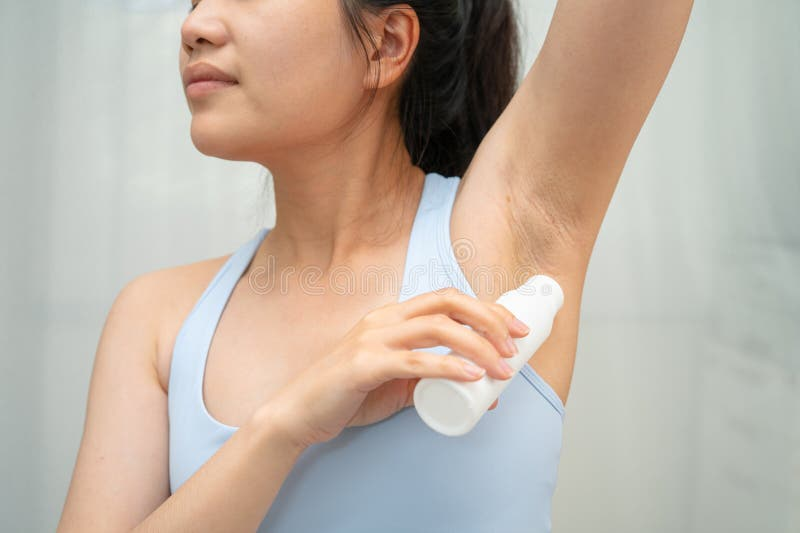
Deodorants help control body odour, while antiperspirants reduce sweating. Some products combine both functions.
For someone whose body odour is strongly linked to excessive sweating, an antiperspirant may therefore be more useful than repeatedly applying perfume.
Dr. Jenny Eileen Murase, a board-certified dermatologist and assistant clinical professor of dermatology at the University of California, San Francisco, says many people with excessive sweating do not realise that the condition can be treated. She recommends antiperspirants rather than relying only on deodorants.
Antiperspirants commonly contain aluminium salts that temporarily reduce the amount of sweat reaching the skin. They work best when applied to dry skin, and stronger formulations may be needed for people with hyperhidrosis.
Give your clothes some attention
A freshly washed body can still develop an unpleasant smell if it is dressed in clothing that has retained sweat.
Shirts, underwear, socks and other garments that become soaked after heavy sweating should be changed. Shoes should also be allowed to dry before they are worn again.
Loose, breathable clothing can make hot weather more comfortable, while moisture-wicking materials can help during exercise. Cotton is another useful option for everyday wear.
Think of clothing as part of personal hygiene, not an afterthought.
Do not forget your feet
Some people concentrate so much on their armpits that they forget their feet.
Feet contain many sweat glands and can remain inside closed shoes for hours. Sweat, warmth and bacteria can then produce an unpleasant smell.
Wash and dry the feet properly. Changing socks regularly and allowing shoes to dry can also help. People with persistently sweaty feet may benefit from foot powders, moisture-wicking socks or breathable footwear.
If there is itching, peeling, cracking or a persistent strong smell, a fungal infection or another skin problem may be involved.
Be careful with homemade remedies
The internet is full of suggestions involving lemon, apple cider vinegar, baking soda and essential oils.
Natural does not automatically mean harmless.
Some acidic or strongly alkaline substances can irritate the skin, particularly after shaving. Fragranced deodorant products can also irritate sensitive areas.
People with sensitive skin should be especially careful with homemade mixtures. Burning, itching, swelling or a persistent rash is a reason to stop using a product.
Food and stress can change the smell
Food does not cause body odour in everyone, but some people notice a stronger smell after eating certain foods.
Garlic, onions, alcohol and spicy foods may influence body odour or sweating in some people. Stress can also increase sweating, particularly around areas containing apocrine glands.
There is no need to remove every strongly flavoured food from your diet. Instead, look for a pattern. If a particular food repeatedly coincides with stronger odour, reducing it for a while may help.
Persistent odour should not be ignored
There comes a point where changing soaps and perfumes is no longer enough.
A sudden change in body odour, sweating much more than usual, unexplained night sweating or an unusual smell that persists despite proper hygiene should be discussed with a healthcare professional.
Body odour can sometimes be associated with skin infections, diabetes, thyroid problems, liver or kidney disease and certain medicines. In such cases, treating the underlying problem is more important than simply masking the smell.
The solution may be as simple as washing properly, keeping the skin dry, changing sweaty clothes and using the right antiperspirant.
But if the smell refuses to leave despite doing the right things, stop buying another bottle of perfume.
Find out why.























Leave a comment