


South Sudan Seeks Oil Investors as Sudan’s Warring Forces Profit From Exports
South Sudan is seeking fresh investment to develop 14 oil exploration blocks and increase production from about 170,000 barrels per day to 230,000 bpd. However, the country’s ambitions face a major obstacle as its crude exports depend on pipelines crossing neighbouring Sudan, where the Sudanese Army and the rival Rapid Support Forces (RSF) control different parts of the export route. Investors are expected to discuss these opportunities at the South Sudan Oil & Power conference in Juba later this month.
The conflict has turned oil transportation into a costly arrangement for South Sudan, with a September report indicating that the RSF receives $4 from an $11 charge on each barrel transported through territory under its control, while the army-aligned government receives $7. South Sudan’s dependence on oil is significant, with petroleum accounting for 89 per cent of government revenue available to the budget in 2024. Previous pipeline disruptions also contributed to a sharp production decline and an estimated 24 per cent economic contraction in fiscal 2025.
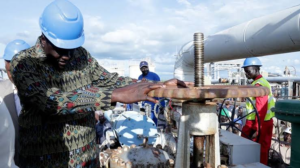
Although a proposed 350-kilometre Tharjiath-Paloch pipeline could provide another route for some crude, it would still cross Sudan and remain exposed to the conflict. Alternative routes through Kenya or Djibouti are considered expensive and would require sustained production growth to become economically viable. With an estimated annual production decline of 20 per cent, South Sudan faces the challenge of attracting investment while securing reliable access to international oil markets.

















Leave a comment