


Central Africa’s Illegal Drug Trade Sparks Fresh Health Alarm
Central Africa is facing a growing public health threat as illegal medicines continue to cross borders, exposing patients to treatment failures, poisoning and preventable deaths.
The United Nations Office on Drugs and Crime (UNODC), the World Health Organization (WHO) and the Central African Economic and Monetary Community (CEMAC) raised the alarm in a new report on drug trafficking across the region.
The report focuses on six CEMAC countries Cameroon, Chad, Central African Republic, Congo, Equatorial Guinea and Gabon, which have some of the world’s poorest health indicators.
According to the report, difficulties in obtaining safe and affordable healthcare products have helped create conditions for an expanding illicit medicine market.
The illegal trade involves counterfeit, substandard and unauthorised medicines, alongside legitimate pharmaceutical products that have been diverted from official supply chains.
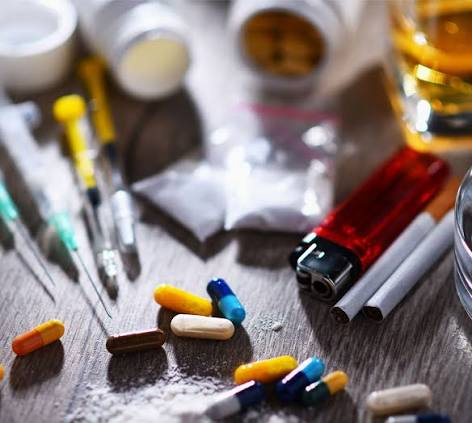
Antibiotics, antimalarial medicines, painkillers and anti-inflammatory drugs are among the products being trafficked. Psychoactive medicines, including tramadol and pregabalin, are also part of the trade.
The scale of the problem became clearer through seizures recorded across the region. At least 251 tonnes of medicines were confiscated in Cameroon, Gabon, Chad, Congo, Equatorial Guinea and the Central African Republic between 2020 and 2025.
A UNODC official said during a press conference on Tuesday that the illegal medicine trade has intensified and diversified in recent years.
The consequences are already being felt in healthcare systems and among patients. The report warns that fraudulent and poor-quality medicines can lead to treatment failure, poisoning and preventable deaths.
The trade also contributes to antimicrobial resistance, making some infections increasingly difficult to treat when medicines are ineffective, misused or improperly administered.
Another concern is that trafficked medicines can sometimes find their way into authorised healthcare facilities, where patients may have little reason to suspect that the products they receive are unsafe or illegally sourced.
The danger extends beyond Central Africa. In 2017, the WHO estimated that the use of fraudulent medicines in sub-Saharan Africa could be associated with hundreds of thousands of deaths each year.
The medicines enter the region through several routes. According to the report, ports serve as important entry points before the products move along major road networks.
Porous borders further facilitate the trade, while traffickers also use air transportation, including freight shipments and passenger luggage, to move pharmaceutical products.
Armed groups operating in parts of Cameroon, Chad and the Central African Republic are also linked to the illicit trade.
The report says some armed groups obtain medicines by looting health centres, reselling pharmaceutical products or collecting so-called taxes from convoys passing through territories under their control.
The illegal market also creates wider security concerns, with the UNODC warning that the trade fuels organised crime and weakens public institutions.
The misuse of medicines associated with dependence and addiction adds another public health concern, particularly where access to appropriate medical care and controlled pharmaceutical distribution remains weak.
A recent seizure in Gabon has highlighted the cross-border nature of the problem.
Gabonese customs officials seized 17,000 tramadol tablets at the end of September. A customs representative said the seizure demonstrated continuing cross-border trafficking, with narcotics entering Gabon from neighbouring Cameroon.
For the UNODC, WHO and CEMAC, tackling the problem requires stronger cooperation between countries, tighter control of pharmaceutical supply chains and better access to safe and affordable medicines.
The report suggests that the fight against illegal drug trafficking cannot be separated from the wider struggle to improve healthcare access.
Where legitimate medicines remain difficult to obtain, illicit markets are more likely to find desperate patients and willing buyers.













Leave a comment