


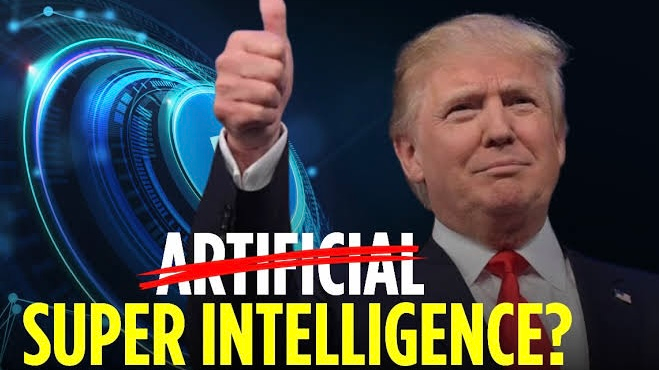
Trump Launches Super Intelligence Force to Lead US AI Policy
US President Donald Trump has launched a new Super Intelligence Force to coordinate the government’s approach to artificial intelligence and emerging technology.
The new task force will oversee the US government’s engagement with AI companies, consumers, public interest groups and critical infrastructure providers.
Trump announced the Super Intelligence Force on Sunday as his administration seeks to strengthen America’s position in the global artificial intelligence race.
The task force will be led by Director of National Intelligence Jay Clayton and will report directly to Trump and White House Chief of Staff Susie Wiles.
Other officials joining the new force include Federal Trade Commission Chairman Andrew Ferguson and Defence Undersecretary for Research and Engineering Emil Michael.
Office of Personnel Management Director Scott Kupor is also expected to serve on the task force as the administration develops its AI strategy.
The creation of the Super Intelligence Force comes amid growing debate over artificial intelligence safety, regulation and national security.
Technology companies are developing increasingly powerful AI systems, raising questions about how governments should manage the risks without slowing innovation.
Trump has previously resisted stronger government regulation of artificial intelligence and allowed technology companies greater freedom to manage their own systems.
His administration has now moved towards a more coordinated approach to AI safety and national security.
The president recently directed US government agencies to stop using the term “artificial intelligence” in official communications.
Instead, his administration has adopted “Super Intelligence” and the abbreviation “SI” when referring to the technology.
Trump has argued that the word “artificial” makes the technology sound fake, while his administration promotes Super Intelligence as a new description for advanced AI.
The terminology has attracted criticism from some technology experts who argue that superintelligence traditionally refers to systems that surpass human intelligence.
The latest policy shift also follows a voluntary agreement involving executives from several major technology companies.
The agreement focused on responsible development and safety as companies continue to build increasingly advanced artificial intelligence systems.
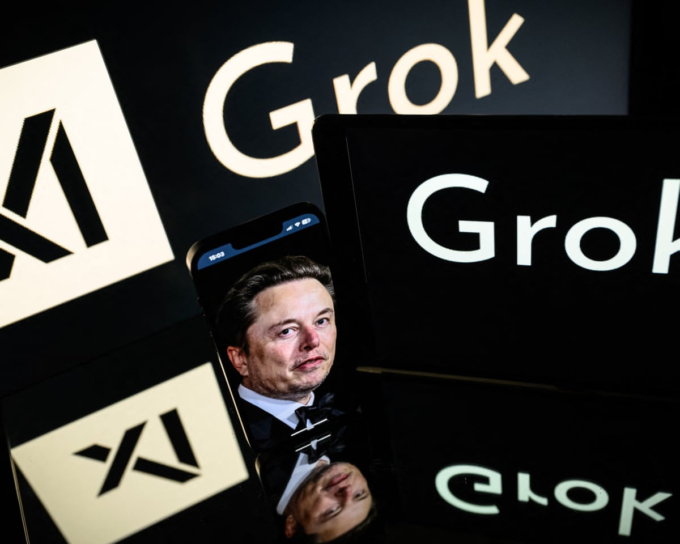
Elon Musk has also embraced Trump’s new terminology, announcing plans to rename his AI platform using the “Super Intelligence” label.
Meanwhile, concerns about AI safety continue to grow within the technology industry.
OpenAI Chief Executive Sam Altman recently said the world should accept some risks from AI because of the potential benefits and greater public access.
His comments came shortly before David Robinson, a former OpenAI safety team leader, criticised the company’s approach after leaving the organisation.
Robinson said he believed OpenAI needed greater care as it continued releasing new AI systems and products.
The debate reflects a wider disagreement over how artificial intelligence should be developed, regulated and made available to the public.
For the Trump administration, the new Super Intelligence Force represents another step towards giving AI policy a stronger role in national security and government planning.
Jay Clayton has described artificial intelligence as both an opportunity and a potential threat, making his appointment significant to the administration’s new technology strategy.
The task force is expected to examine the opportunities and risks surrounding AI as the United States competes to maintain its leadership in the rapidly changing technology sector.



















Leave a comment