


Africa Builds Green Wall to Restore Land and Fight Climate Change
Africa is pressing ahead with one of the world’s most ambitious environmental restoration efforts through the Great Green Wall, an initiative designed to restore degraded land, tackle desertification and strengthen communities across the Sahel.
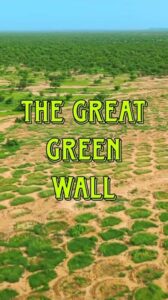
Launched by the African Union in 2007, the project stretches about 8,000 kilometres from Senegal on the Atlantic coast to Djibouti on the Red Sea.
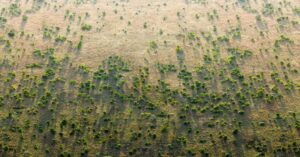
Although it was originally conceived as a vast belt of trees, the initiative has evolved into a broader restoration programme that revives forests, grasslands, wetlands and farmland using methods suited to local environments.
The Great Green Wall aims to restore 100 million hectares of degraded land, capture 250 million tonnes of carbon dioxide and create 10 million green jobs by 2030.
It is also expected to improve food security and livelihoods for millions of people whose lives have been affected by drought, climate change and declining soil fertility.
Countries including Senegal, Ethiopia, Nigeria and Niger have already restored millions of hectares through tree planting and sustainable land management.
While experts say more funding and regional cooperation will be needed to meet the project’s long-term goals, the Great Green Wall is increasingly being seen as a global model for combining environmental restoration with economic development and climate resilience.